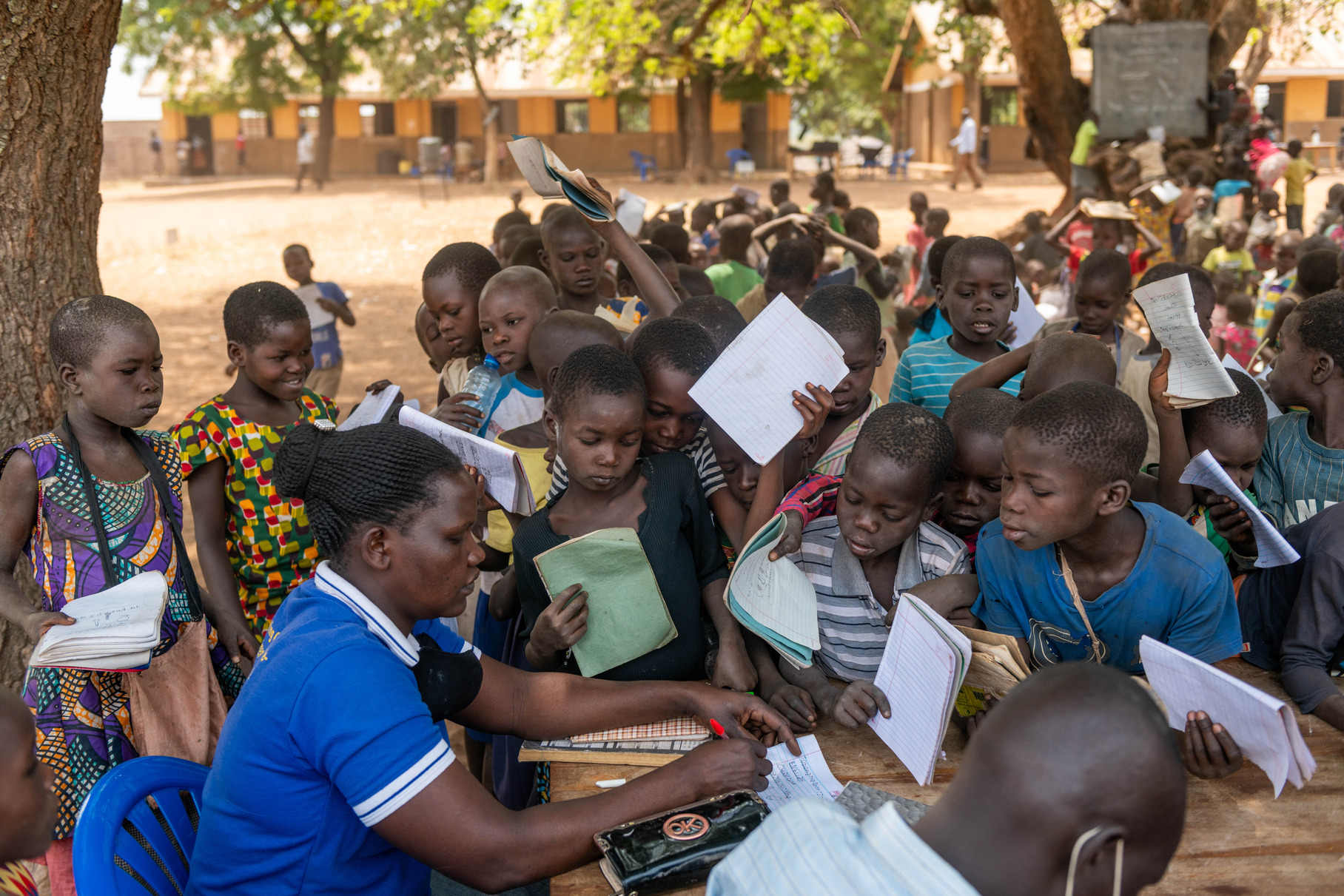
Ali Ragem Primary School is one of five government-aided primary schools in Ragem Sub-County, Pakwach District. It is situated approximately 20 kilometers along the Pakwach–Wadelai road, serving a significant proportion of the local community.
The school recorded a total enrolment of 1,558 learners in 2023, up from 1,456 in 2022 — an increase of 6.5%. This upward trend reflects growing community confidence in the school and the positive impact of recent interventions.
The number of teachers has also grown considerably, rising from 13 in 2022 (11 male, 1 female) to 16 in 2023 (13 male, 3 female). This improvement in staffing has contributed to better classroom coverage and learning outcomes.
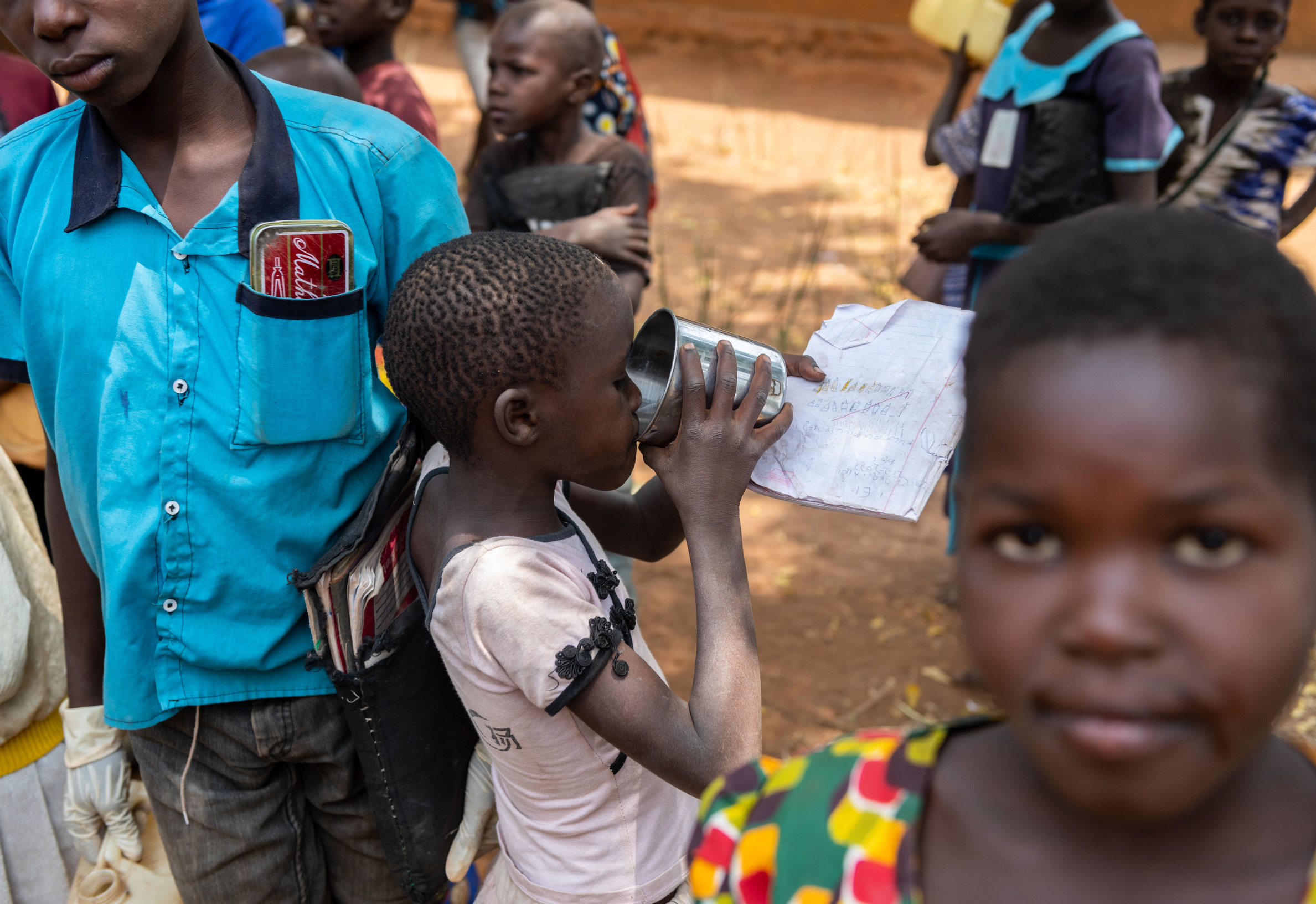
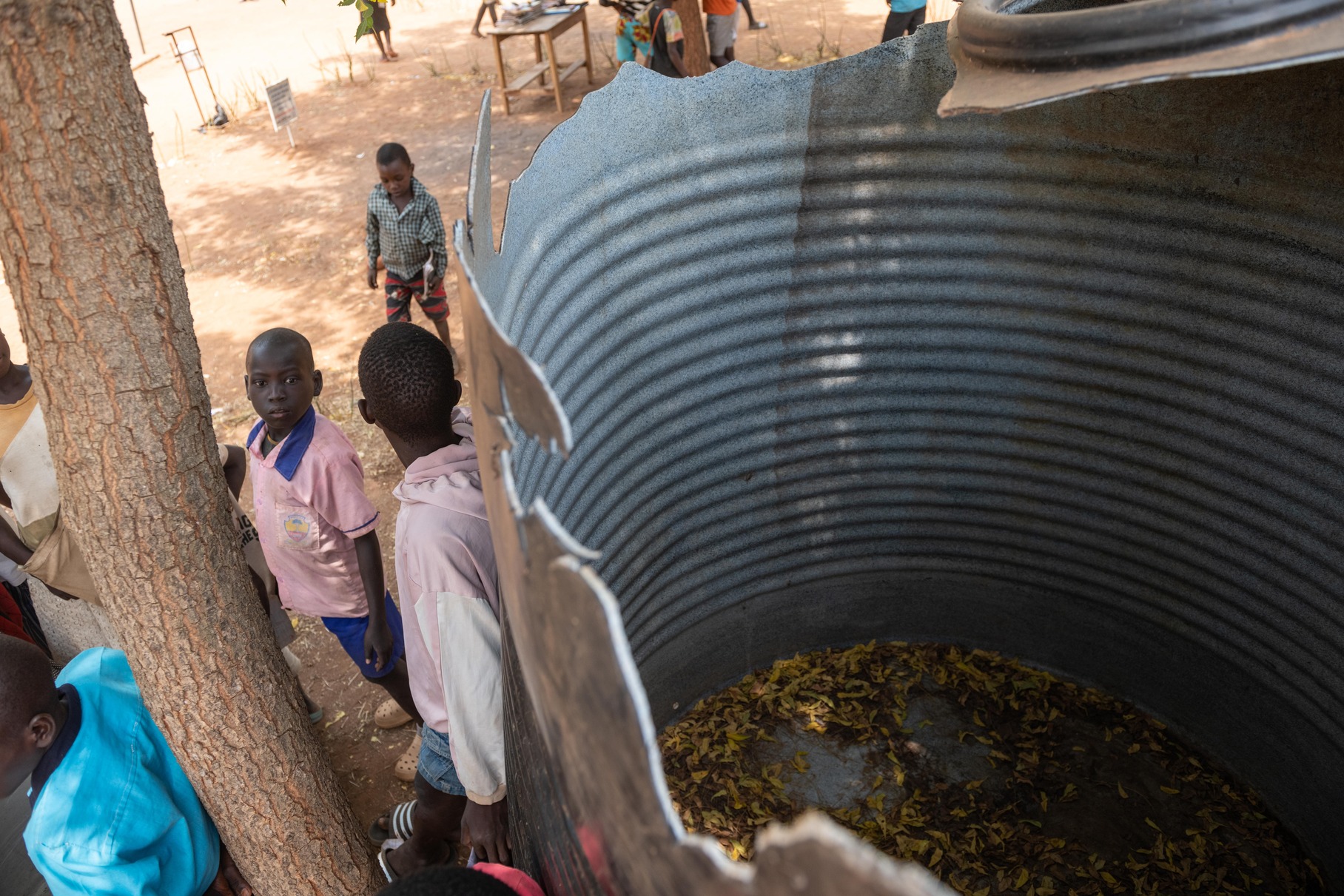
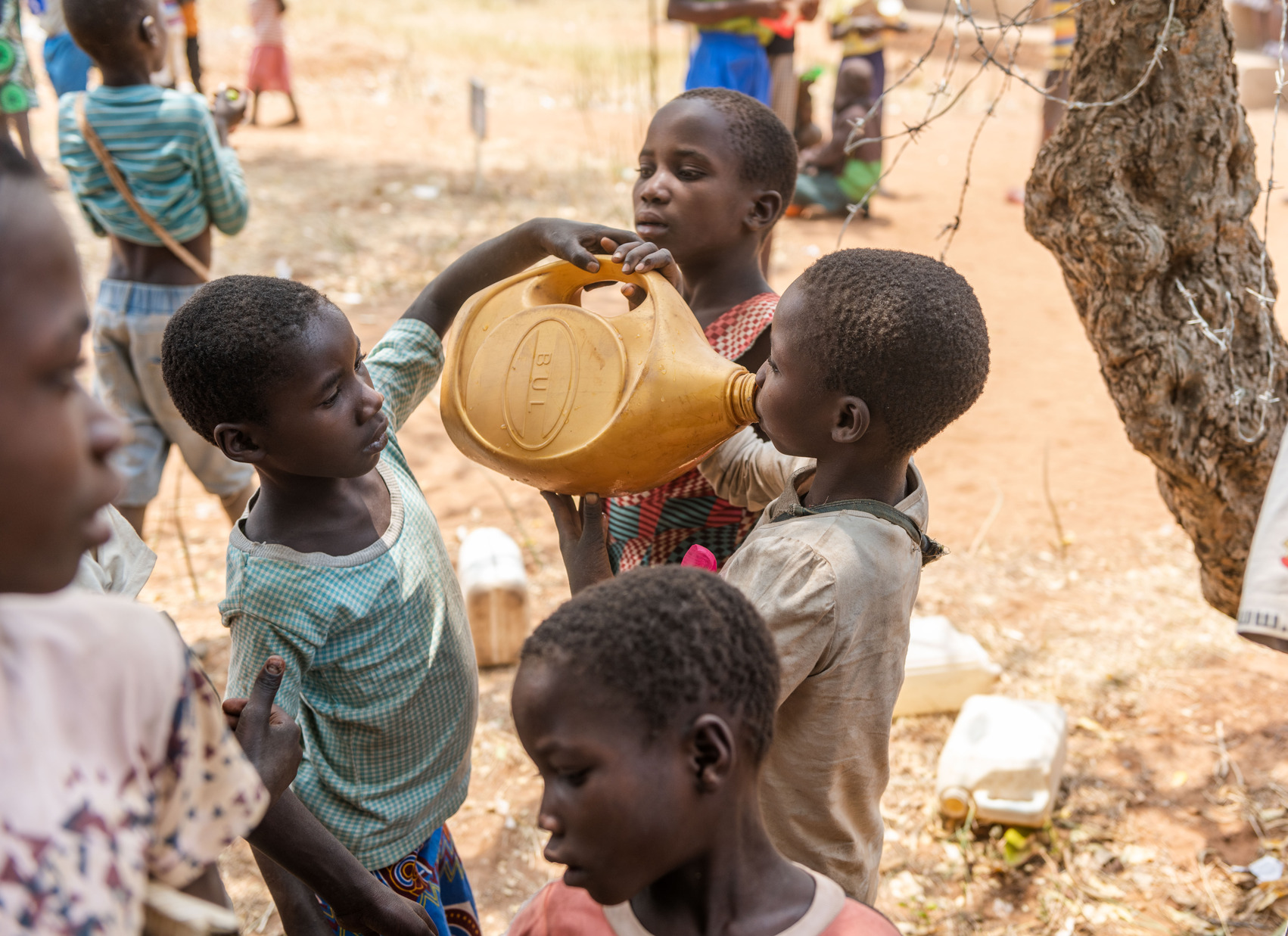
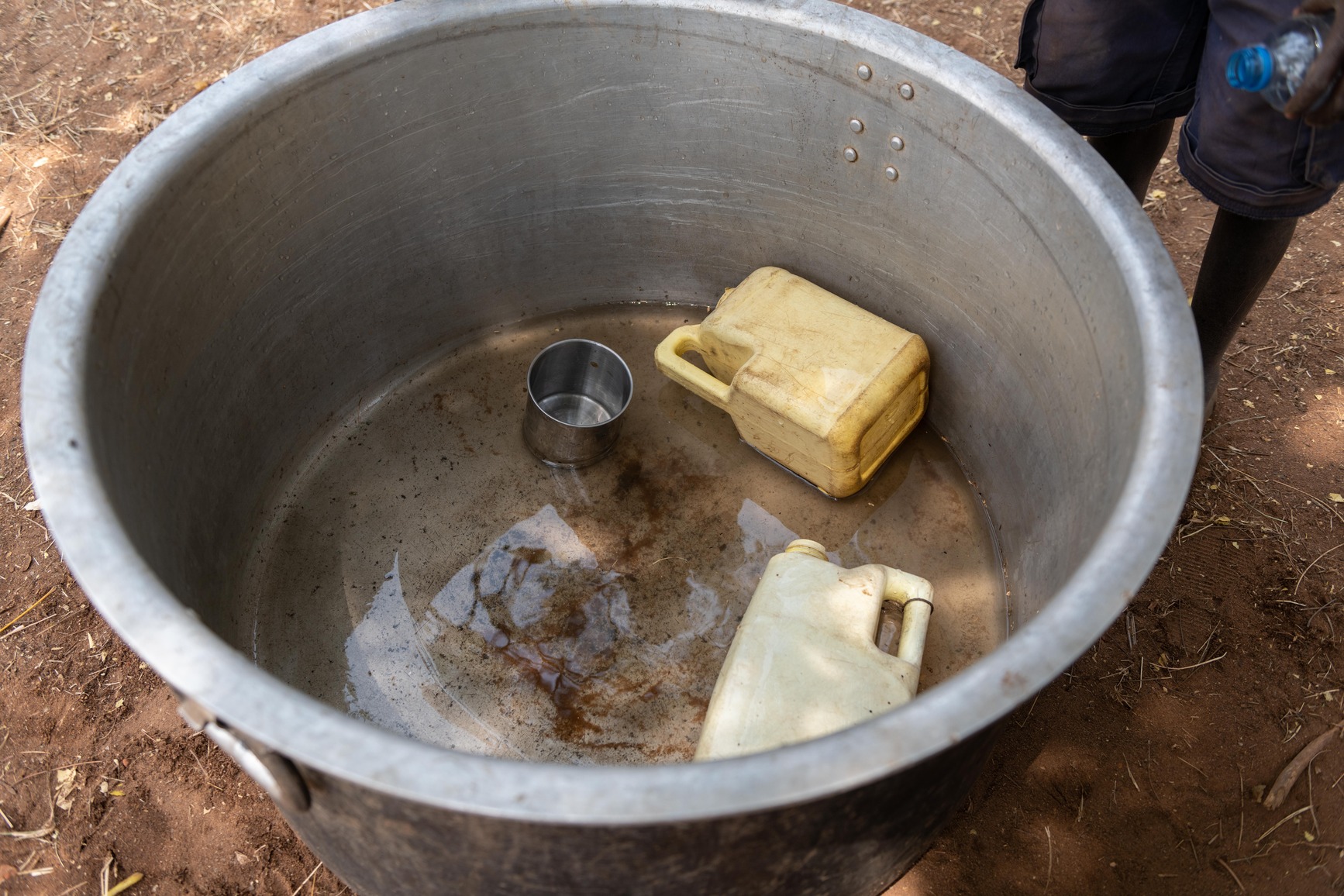
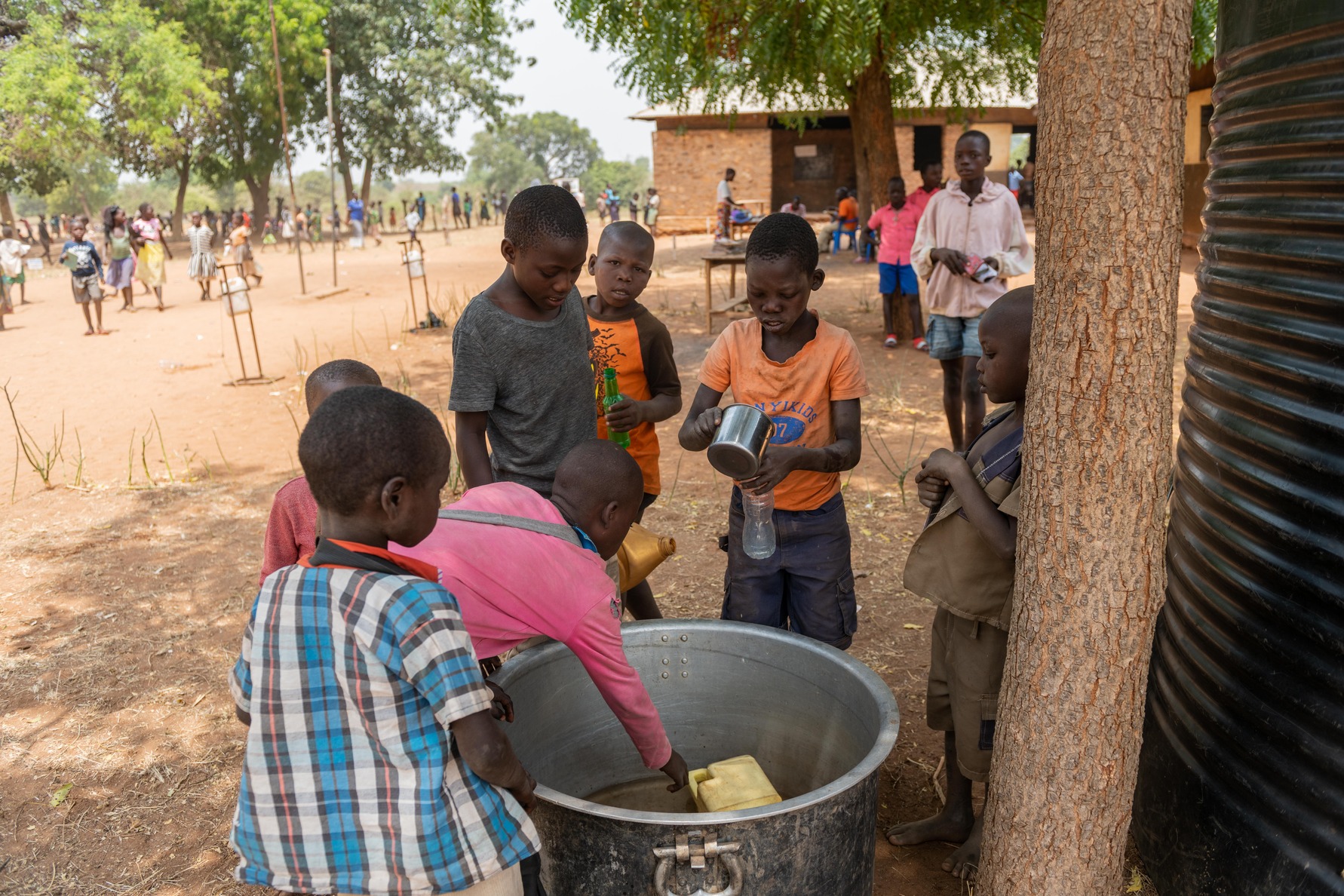
Before the construction of a yard water connection by Africa Water and Sanitation (AWS) in 2022, the school faced an acute shortage of safe drinking water. According to the headteacher, Mr. Olama Emmanuel, learners were compelled to trek more than two kilometres to the River Nile to fetch water — often from unsafe sources.
The consequences were severe. Water-borne diseases, including diarrhoea, typhoid, and intestinal worms, were widespread among both learners and teachers, leading to alarming rates of absenteeism and significant expenditure on medical treatment. Mr. Olama noted that between five and ten such cases were recorded every week.
Ragem Sub-County, Pakwach District
TOTAL ENROLMENT
1,558 in 2023
1,456 in 2022
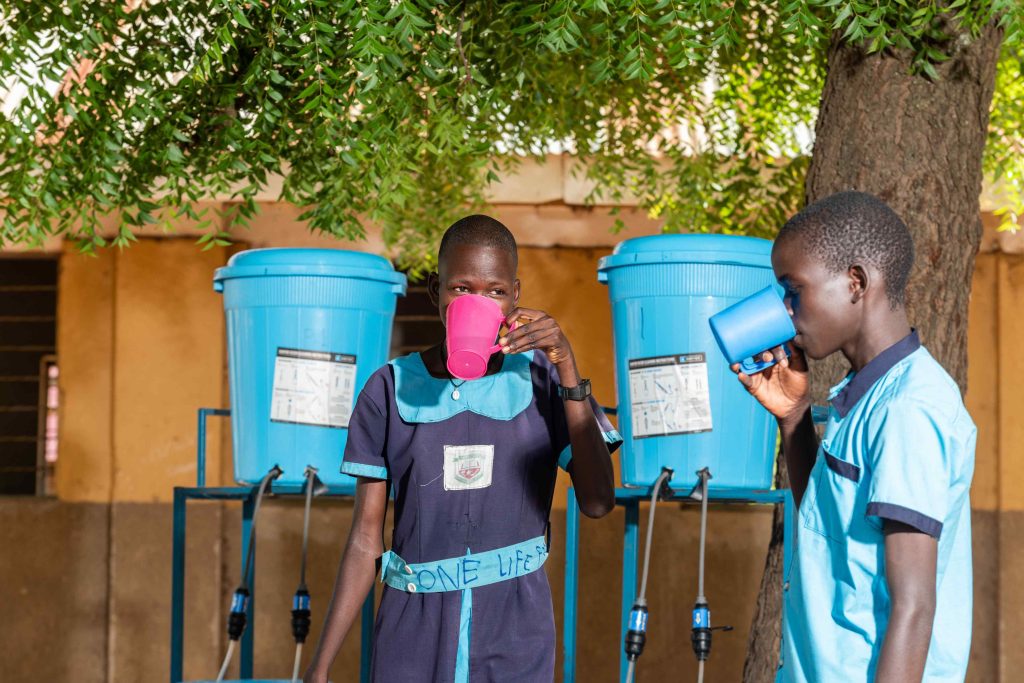
Since AWS installed a yard connection within the school compound and provided water filters for drinking water treatment, complaints about water-borne diseases have reduced dramatically. School attendance has improved correspondingly, resulting in better academic performance.
"
Ali Ragem Primary School has become the envy of many primary schools in Ragem Sub-County and Pakwach District as a whole. These interventions by AWS have increased learner enrolment, and we expect a steady increase this year and in subsequent years.
— Mr Olama Emmanuel, Headteacher
Sanitation and Hygiene
Latrine Facilities
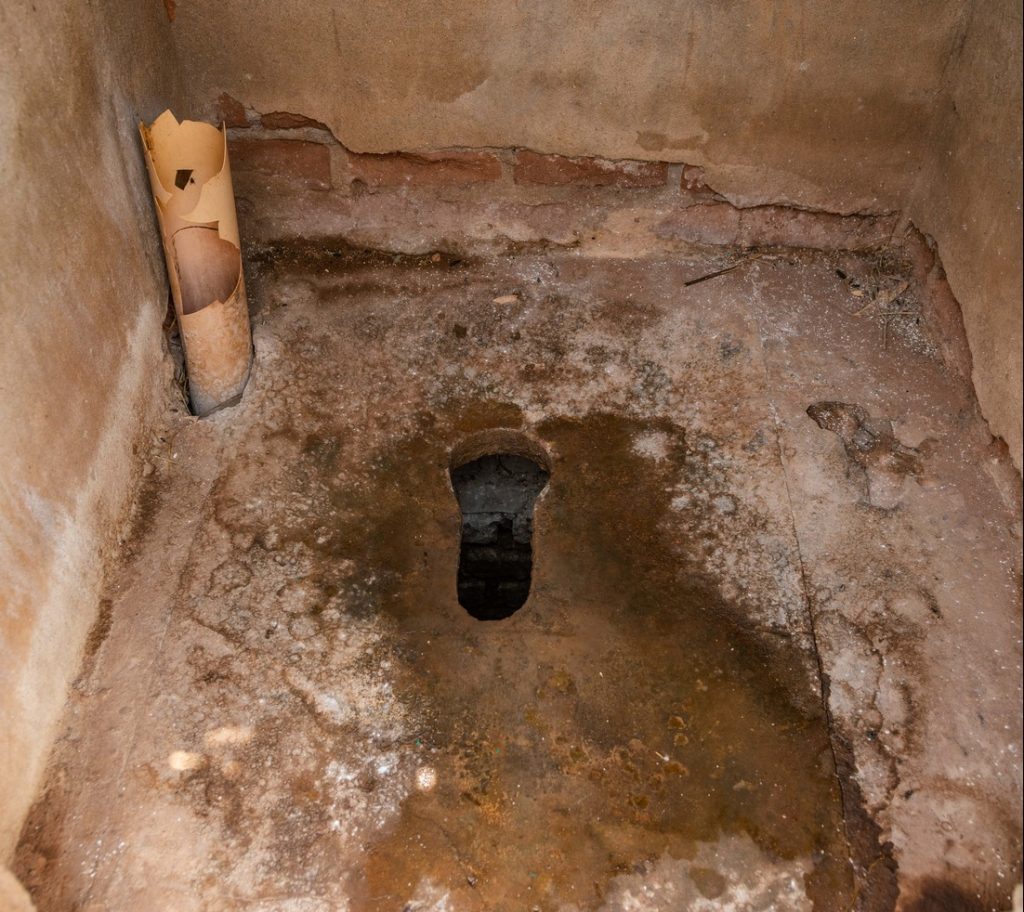
Before AWS’s intervention, maintaining cleanliness in and around the latrines was extremely difficult due to the absence of water. The facilities were often filthy and in poor condition. Pupils frequently avoided cleaning duties, and the headteacher noted that using latrine-washing as a deterrent for latecomers inadvertently led to learners staying home to avoid the punishment — worsening the dropout rate.
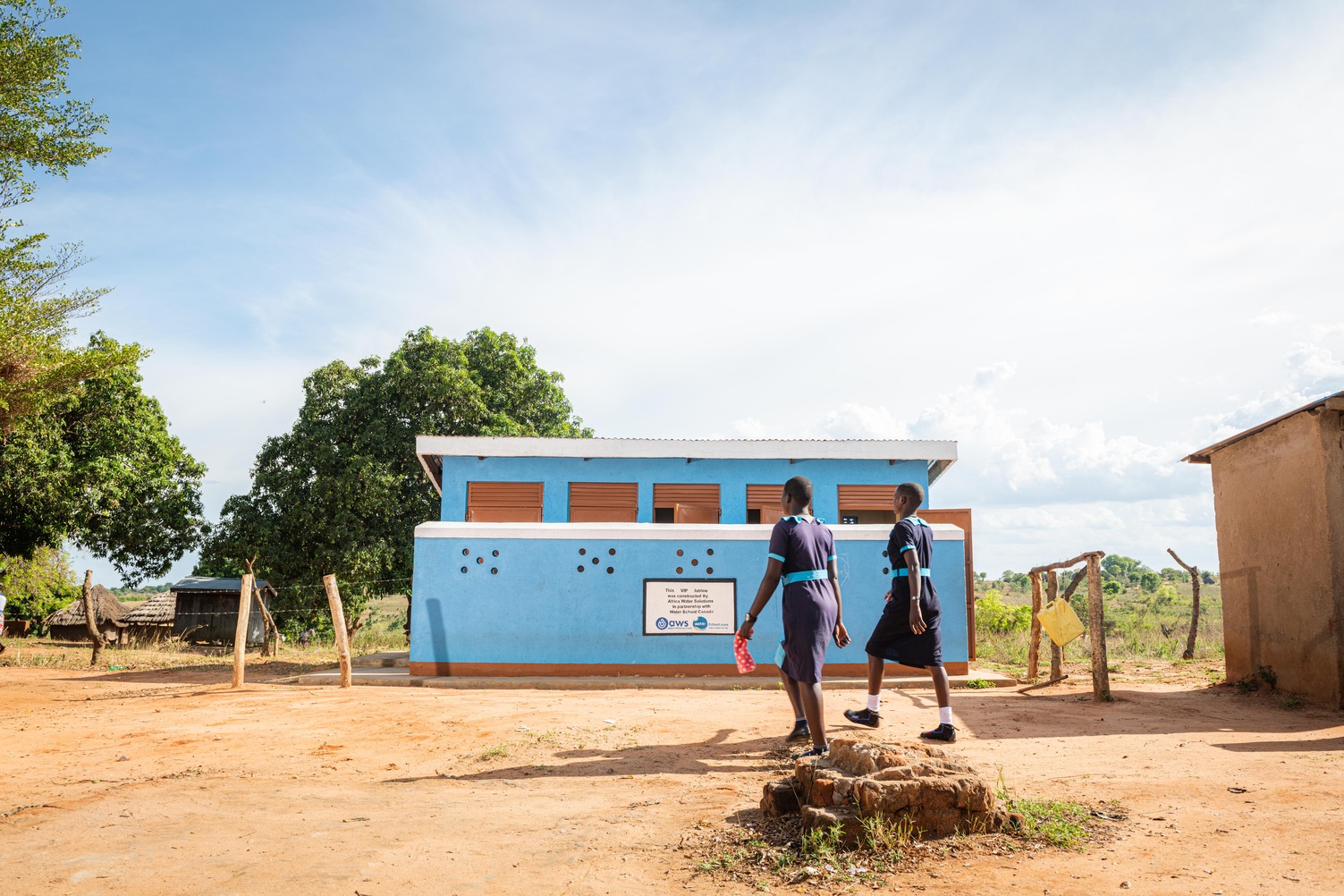
The ratio of latrine stances to learners improved significantly, from 1:155 in 2022 to 1:79 in 2023, reflecting meaningful progress in sanitation infrastructure.
2022
1 stance
155 students
2023
1 stance
79 students
Handwashing Facilities
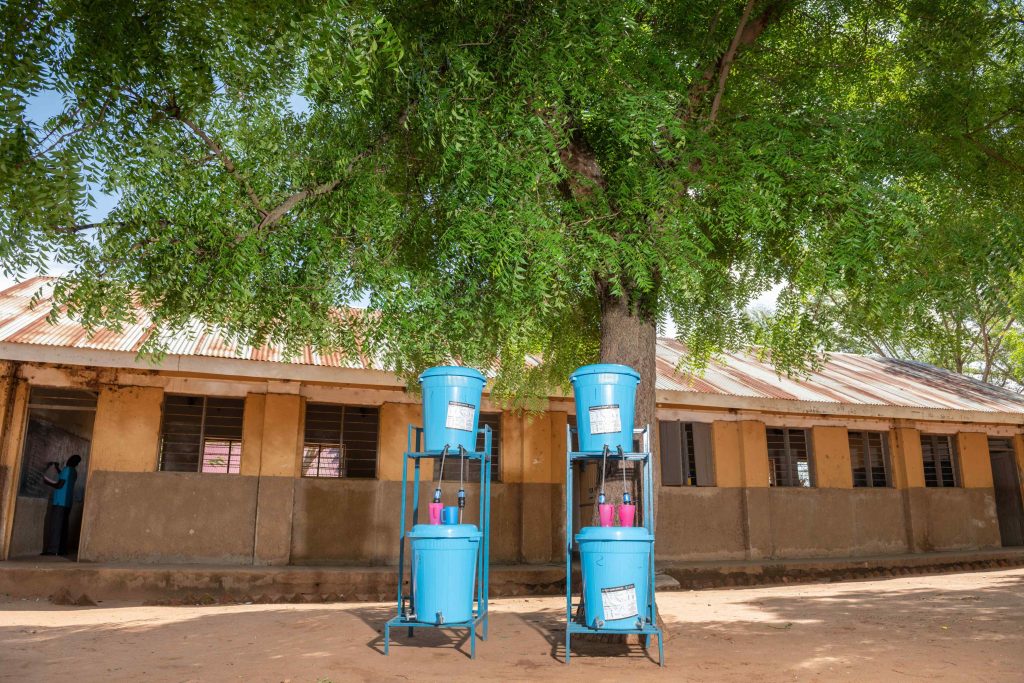
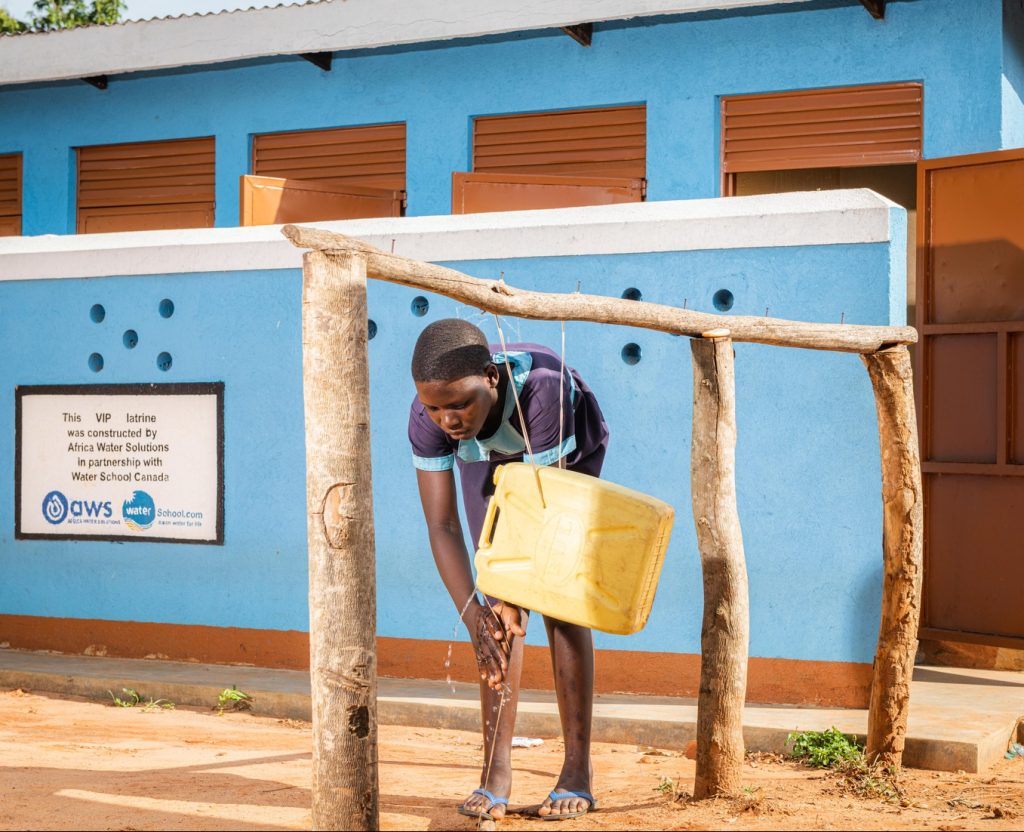
Handwashing was not a regular practice at the school before AWS’s involvement. With only two handwashing facilities — procured during the COVID-19 pandemic — and no reliable water supply, diarrhoea was rampant. Following AWS’s intervention, four additional handwashing facilities (HWFs) were installed. Learners are now routinely reminded to wash their hands at critical moments, contributing to improved hygiene practices.
Menstrual Hygiene Management
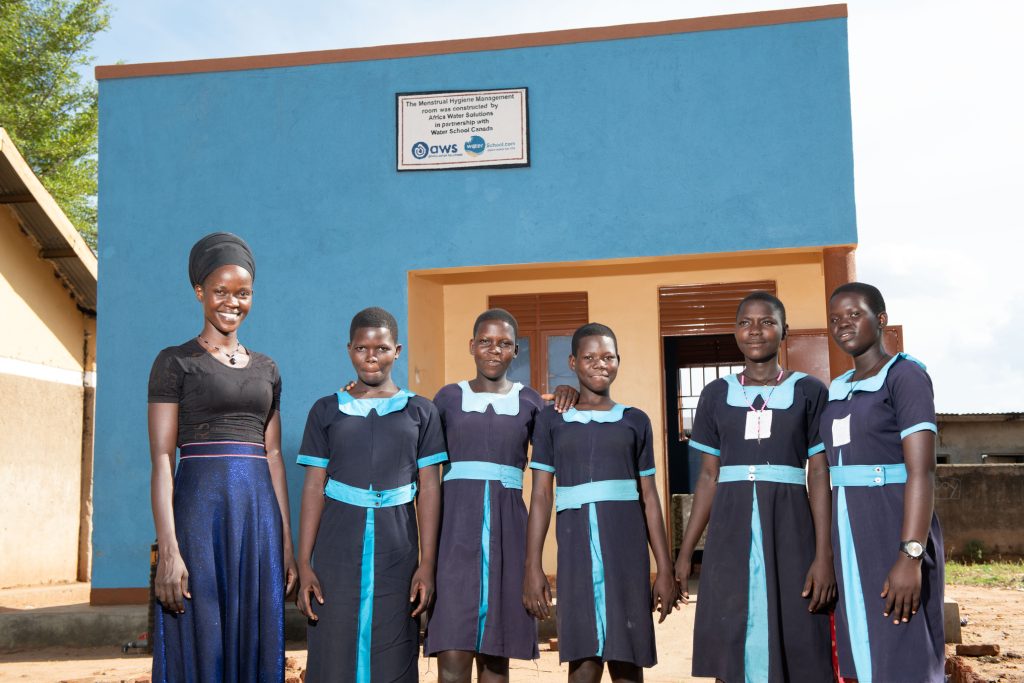
Before the construction of a dedicated MHM facility, the school had no private washroom or hygiene space for girls. This gap contributed significantly to high dropout rates among female learners, as well as reported cases of teenage pregnancy and early marriage.
With the support of AWS, a new MHM structure has been constructed, giving girls access to a decent and private facility. Girls have also received training in making reusable sanitary towels from locally available materials. A dedicated senior woman teacher provides regular guidance and counselling on menstrual health, further reducing absenteeism and dropout related to menstruation.