For years, the people of Jupala Village in Lee Parish, Kucwiny Sub-County, Nebbi District, lived with a harsh reality: a lack of clean and safe water. Every day, women and children set out at dawn, walking long distances in search for safe water. The journey was exhausting, often taking hours, leaving little time for school. The water they used was often contaminated, leading to outbreaks of diarrhoea, dysentery and intestinal worms.
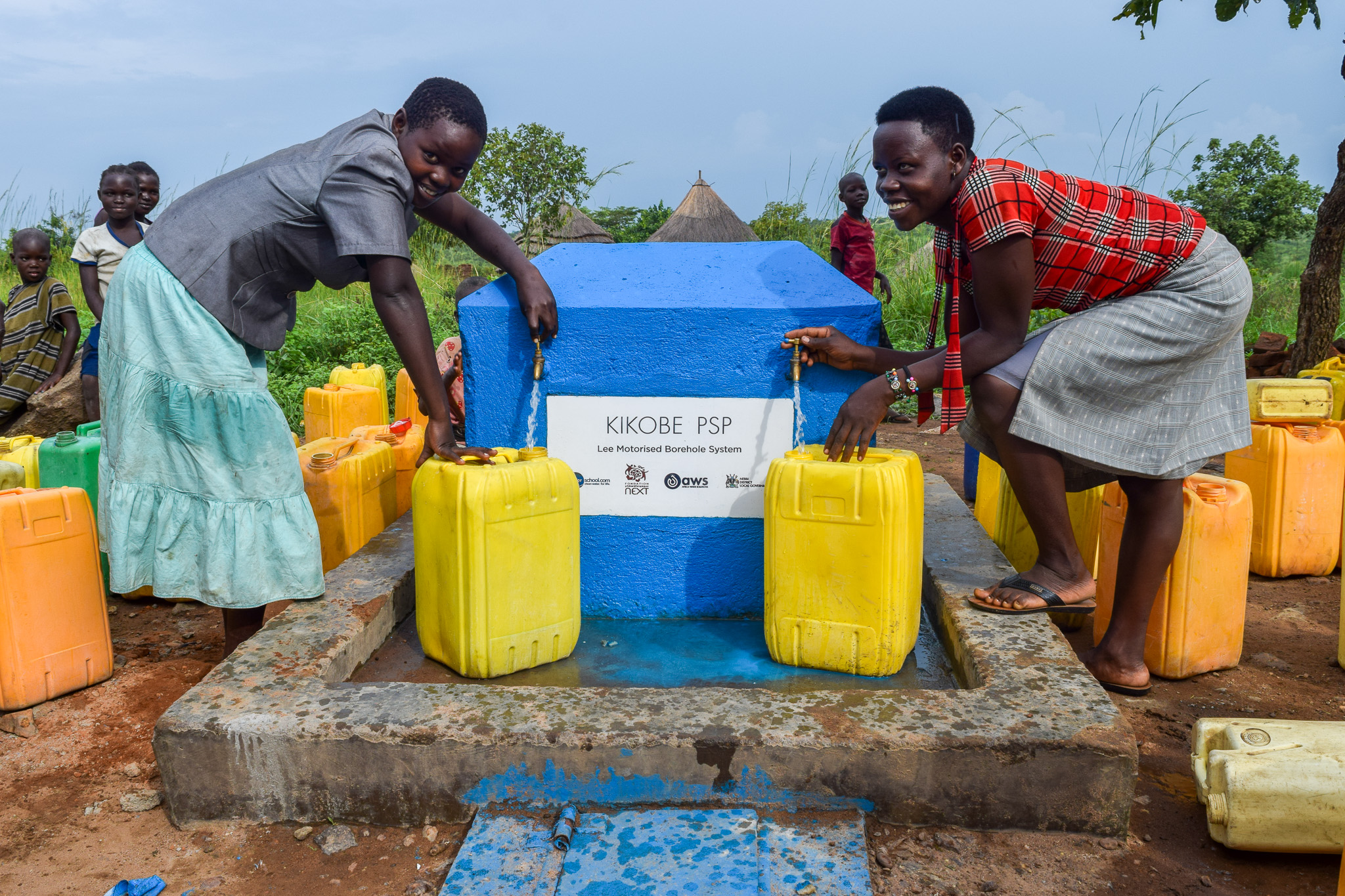
At Kikobe Health Centre II the facility served over 5,000 people without clean water. Health workers faced daily risks, treating patients without access to safe water.
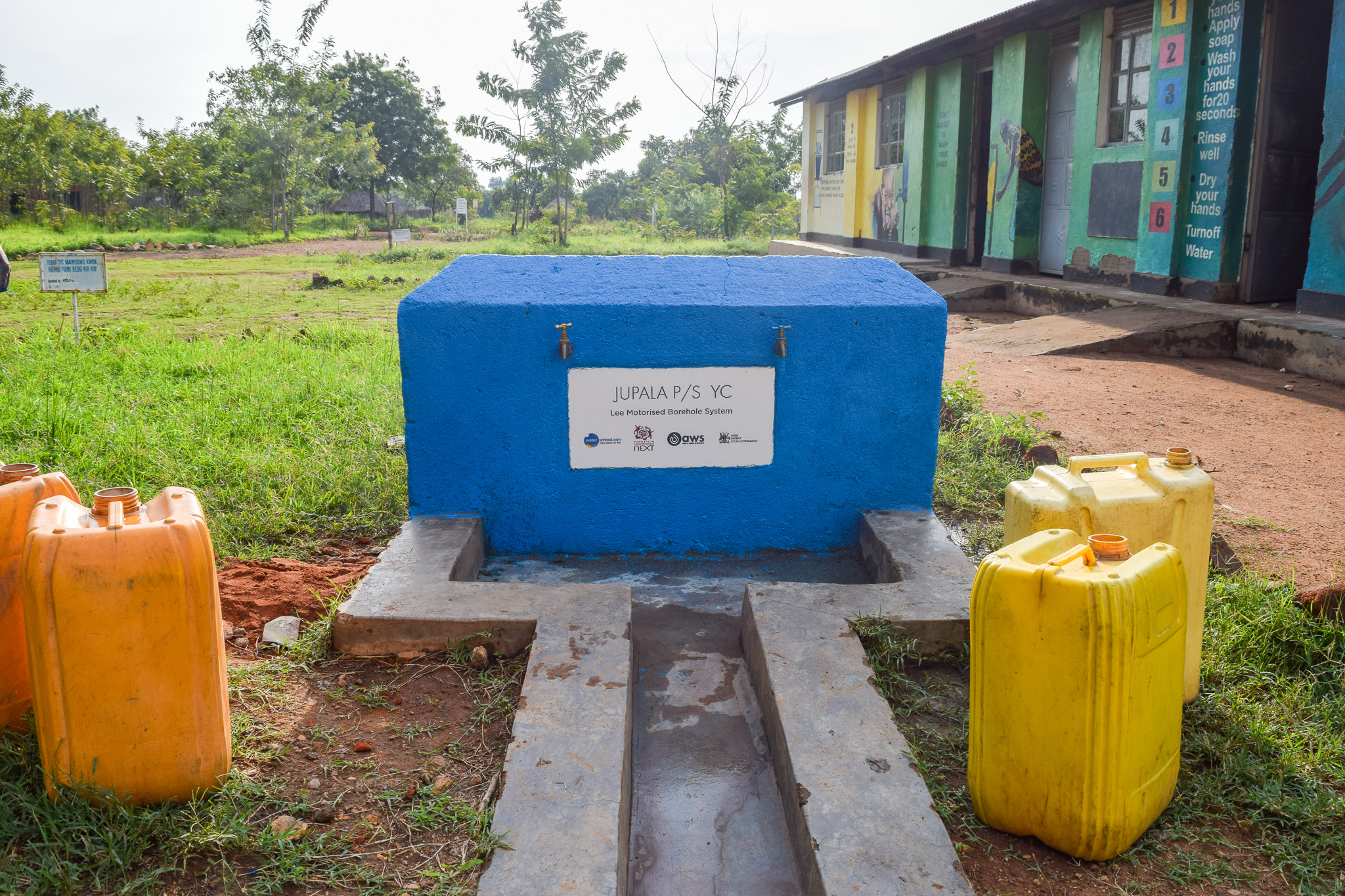
At Jupala Primary School, the lack of water was a barrier to education.
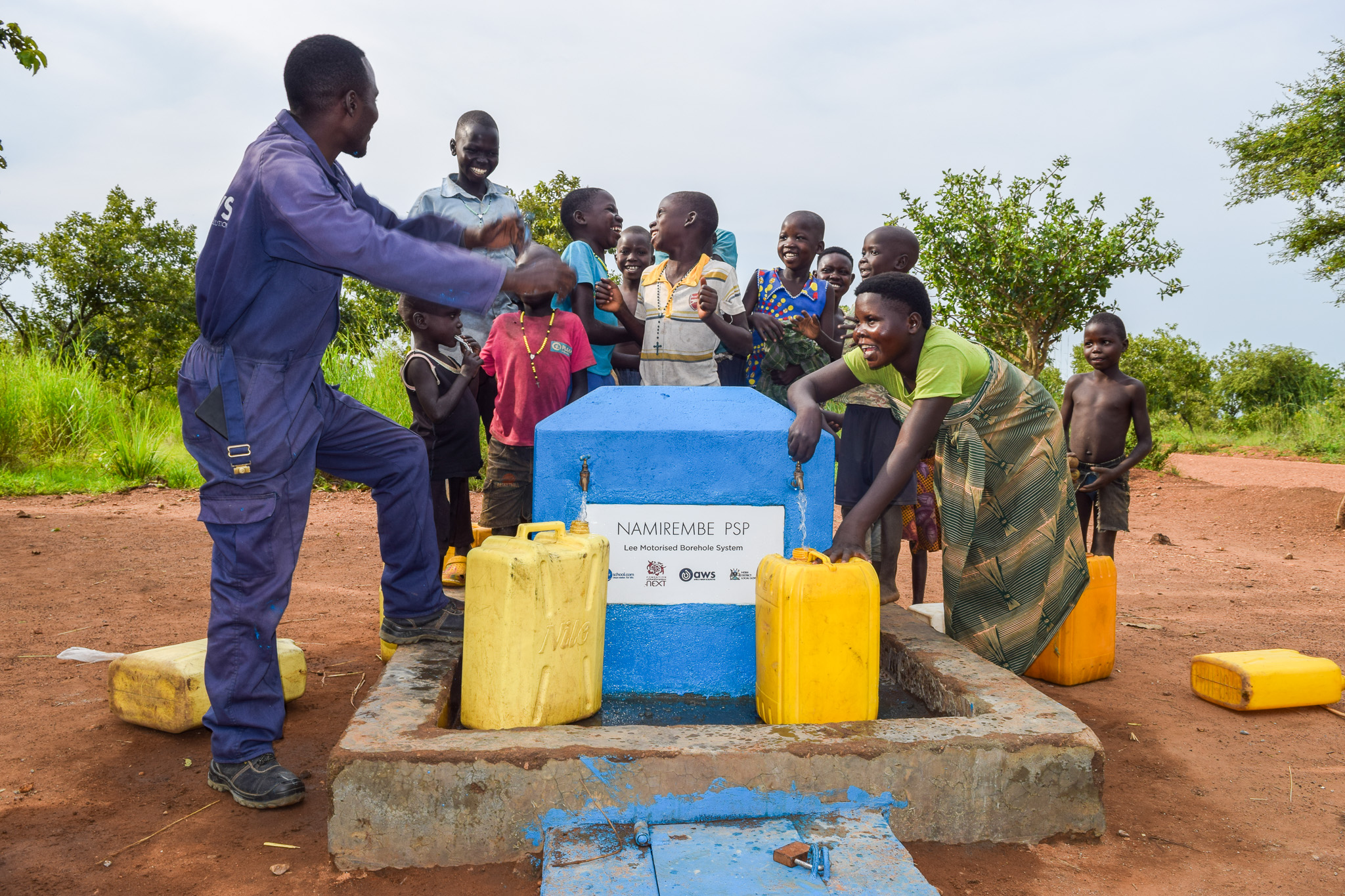
The installation of the Lee Water System was a turning point. With the capacity to supply over 720,000 litres of clean and safe water every month, the system began delivering safe water to 1,830 households across six villages: Jupala West, Jupala Center, Jupala North, Kikobe, Namirembe, and Ayabu West.
According to Mr Okwairwoth Justine, the District Health Officer of Nebbi, this single improvement allowed the district to establish a new maternity unit, saving mothers from the long trek to another health facility. The burden of waterborne diseases also declined dramatically, saving lives and reducing hospital admissions. Health workers, too, felt safer, no longer fearing infection due to poor sanitation.