Together with local governments and schools, AWS is training teachers and school children to educate young girls about periods and talk about them in a shame-free way. We have conducted Menstrual Hygiene Management in Nyagoke Primary School, located in Nyagoke Parish, Soni Sub-County, Tororo district. It has a total population of 1,329 pupils of which 679 are female and this has increased from 1039 pupils before schools were closed due to the Covid-19 pandemic. The school leadership attributes this growth largely to good sanitation and hygiene standards, the availability of the MHM room, and the presence of clean water in the school compound, which are key factors in a child’s performance at school.
Nyagoke Parish, Soni Sub-County, Tororo district
1,329 pupils
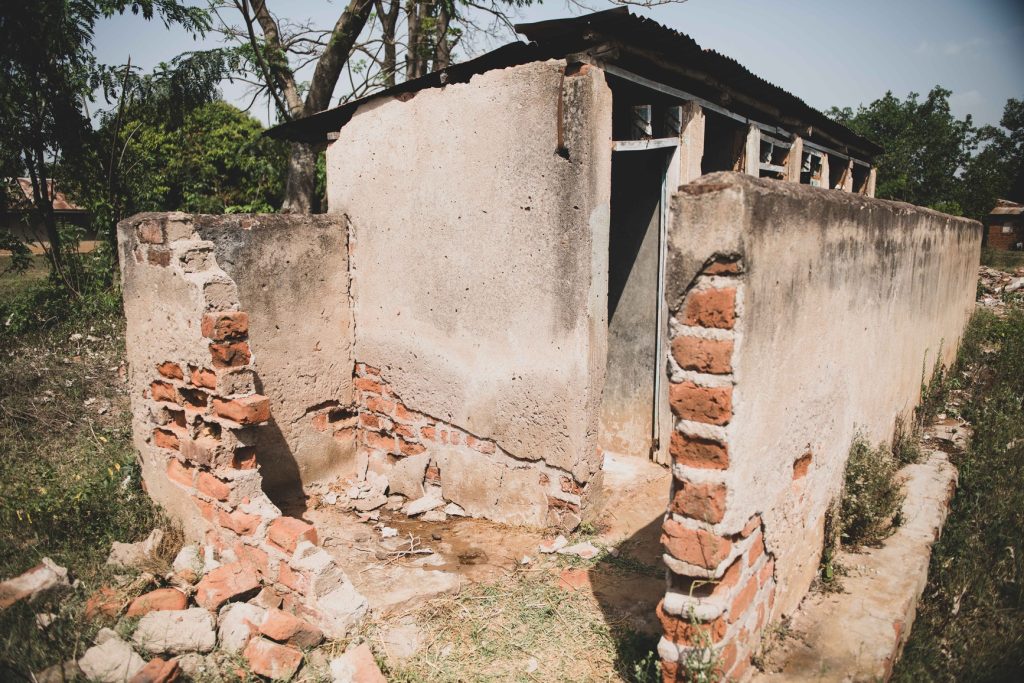
The girls would absent themselves from school during their periods, dodge classes and move to clinics looking for medicine for stomach ache which was reducing their time in class”
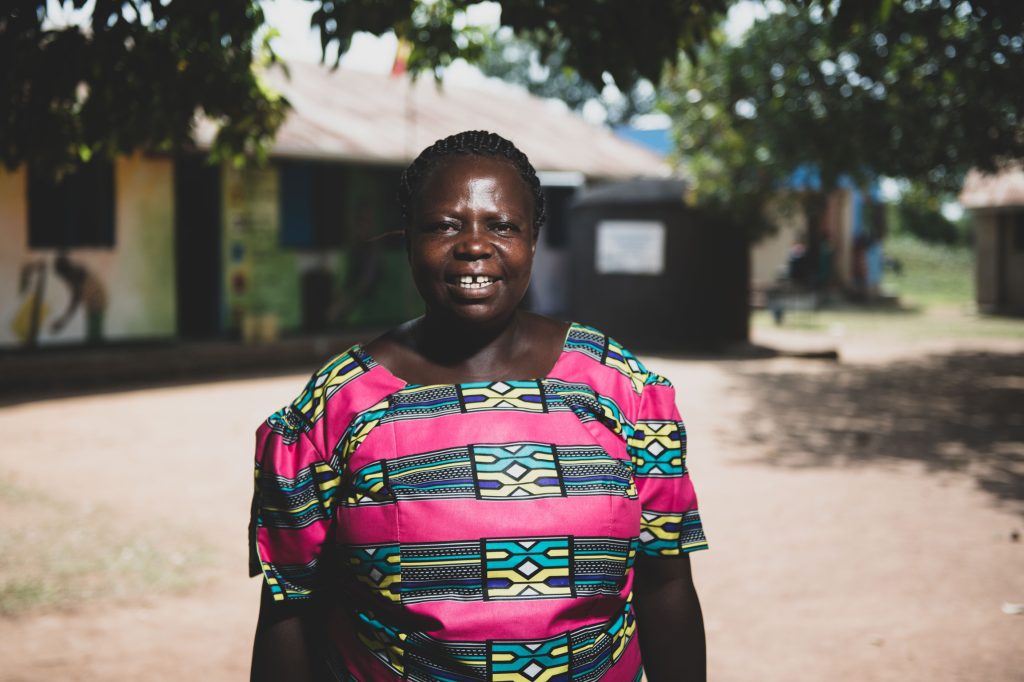
Ms. Akong Grace
Senior Woman teacher
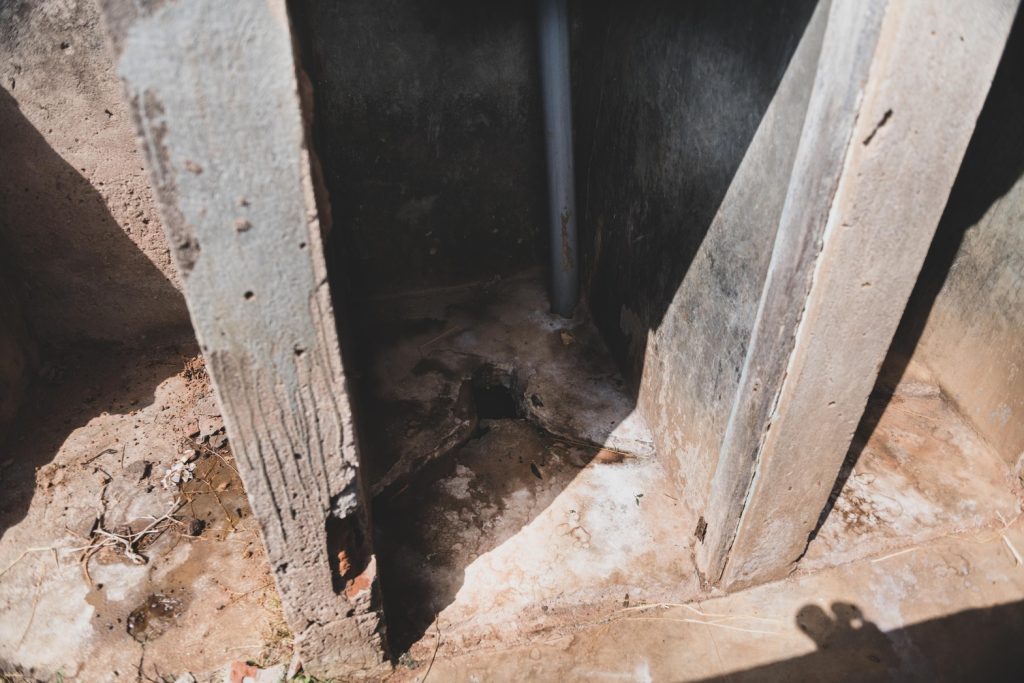
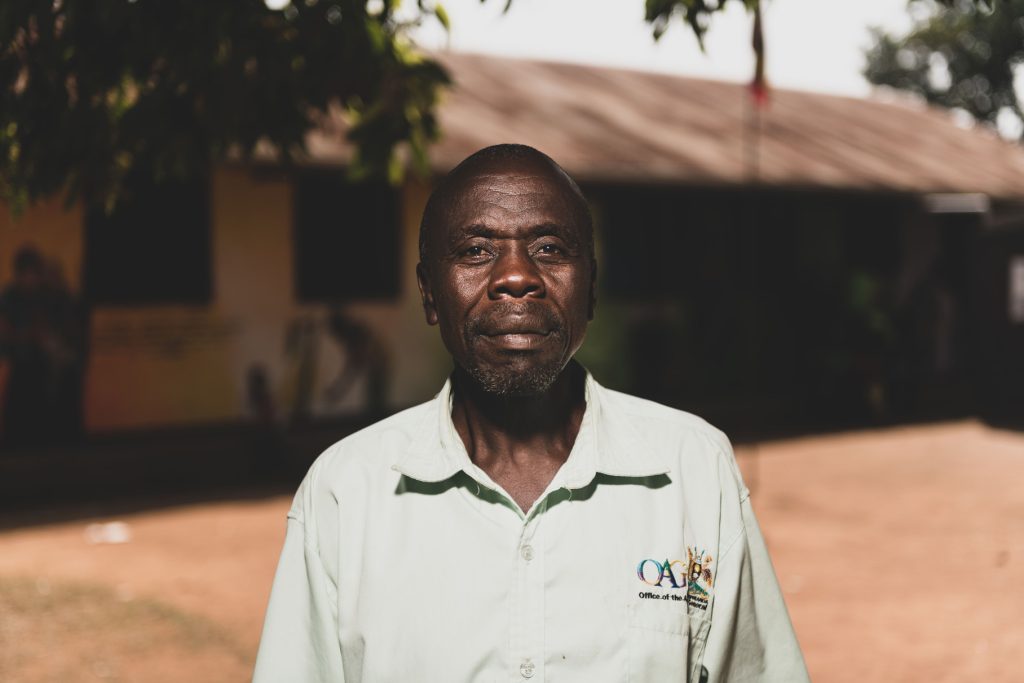
Before we got the tank, we would get water from a well thirty minutes away; pupils were spending more time in fetching water and would use it as a dodging tactic to miss lessons which cannot happen now because we have the tank; The MHM room has given the girls privacy; the pit latrines have reduced congestion since girls and boys have their own.
– Opera Martin, Deputy headteacher
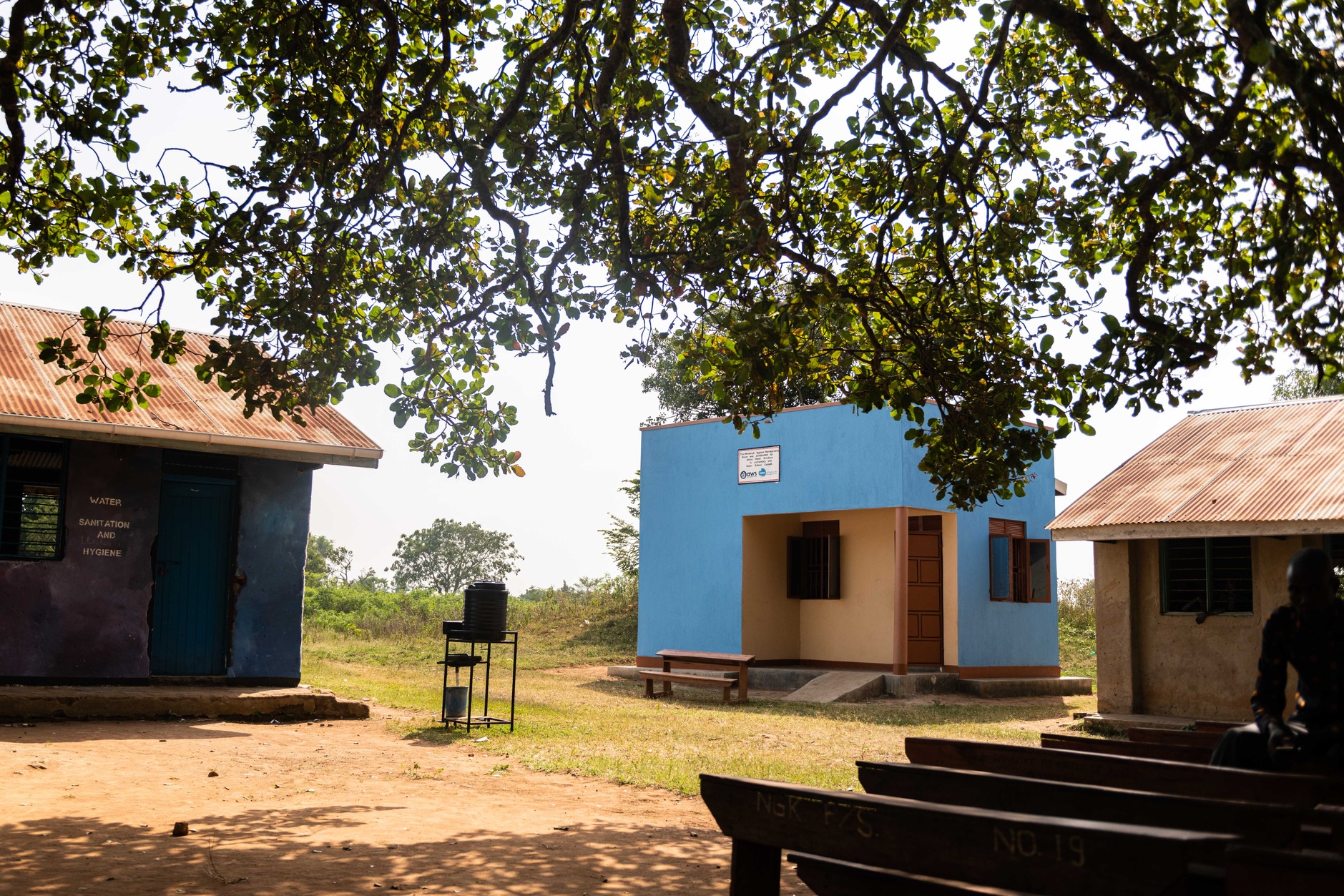
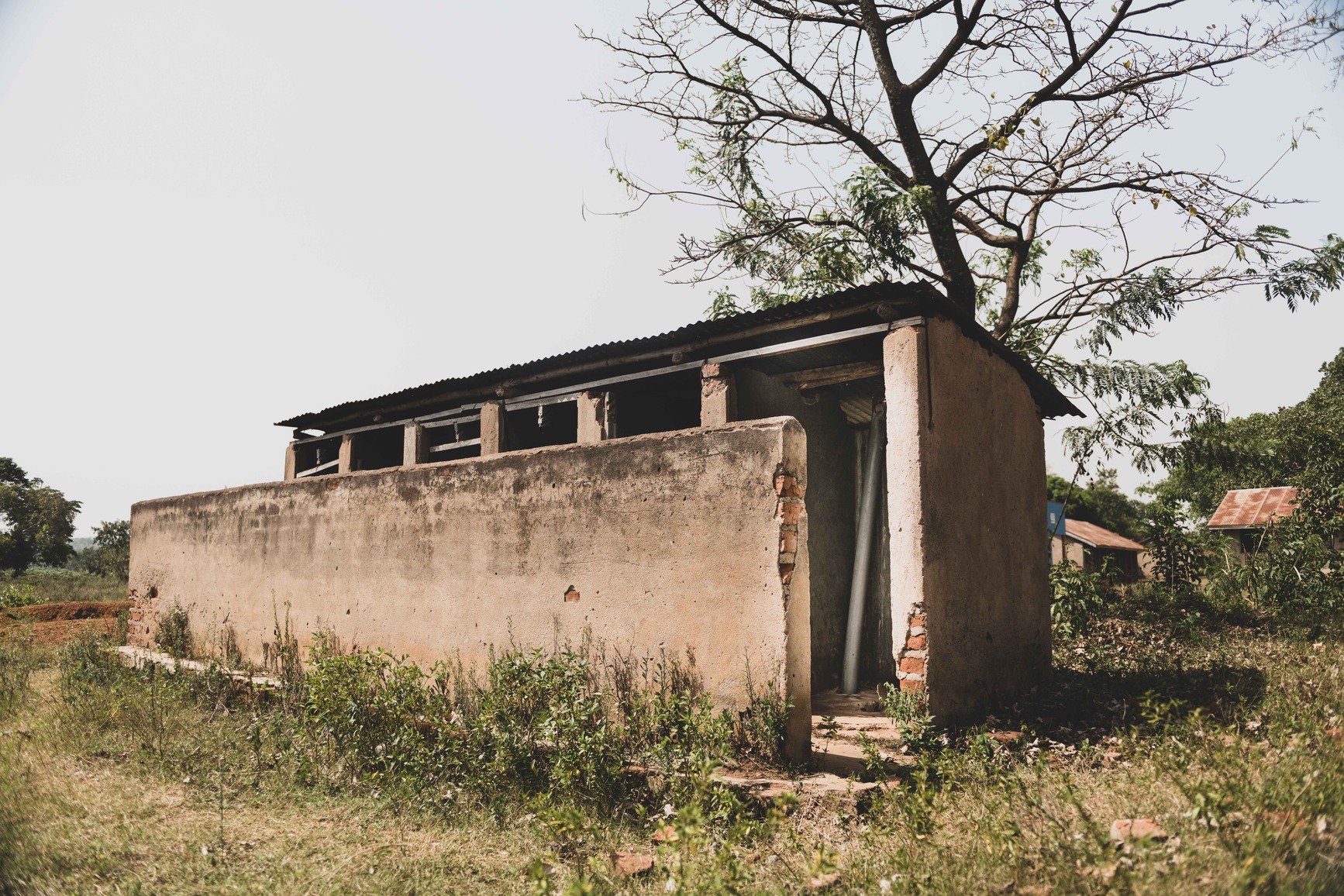
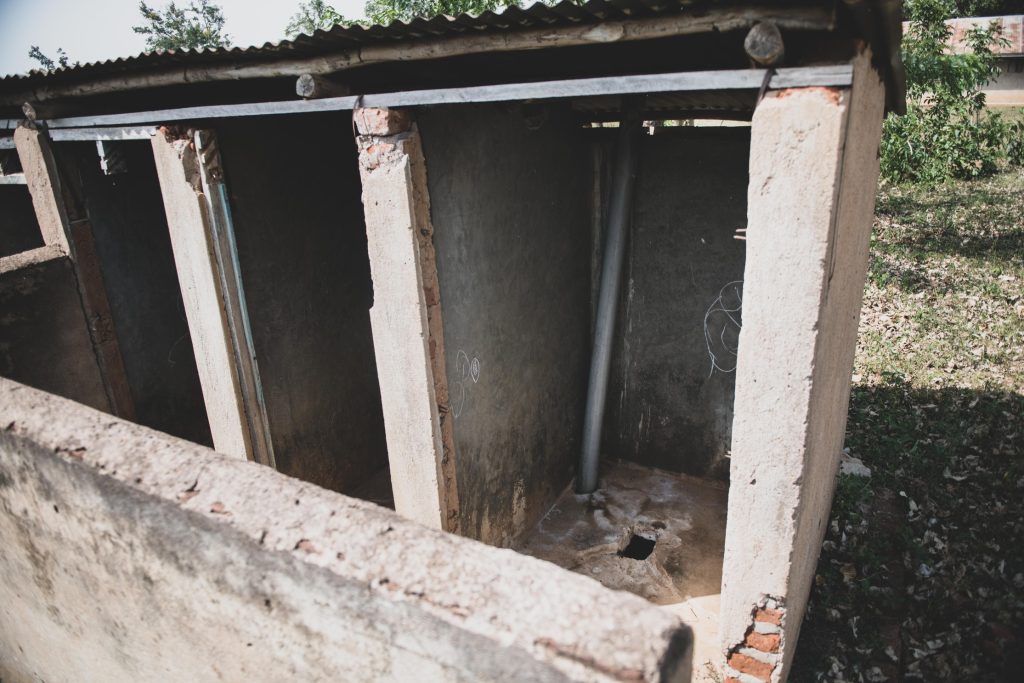
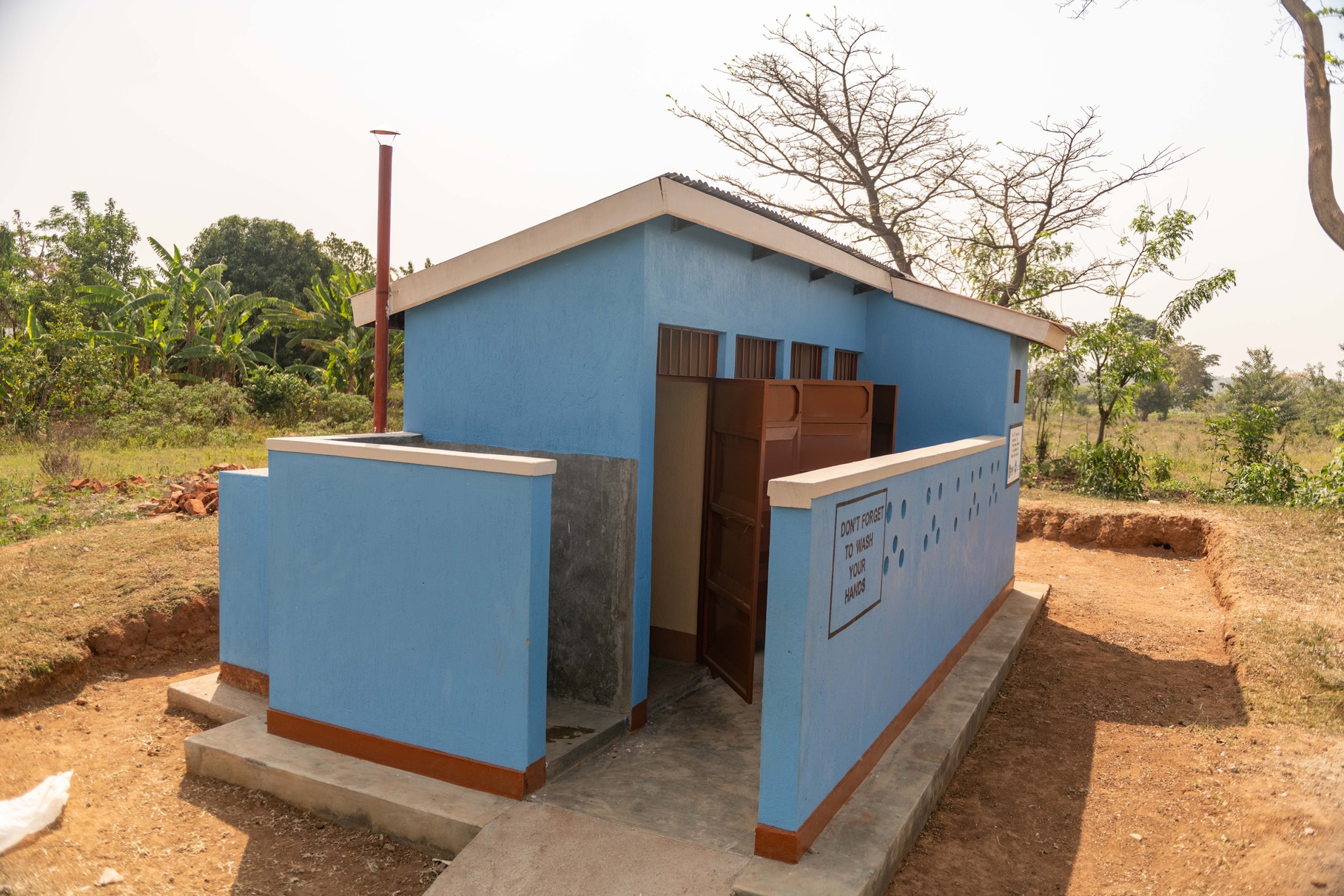
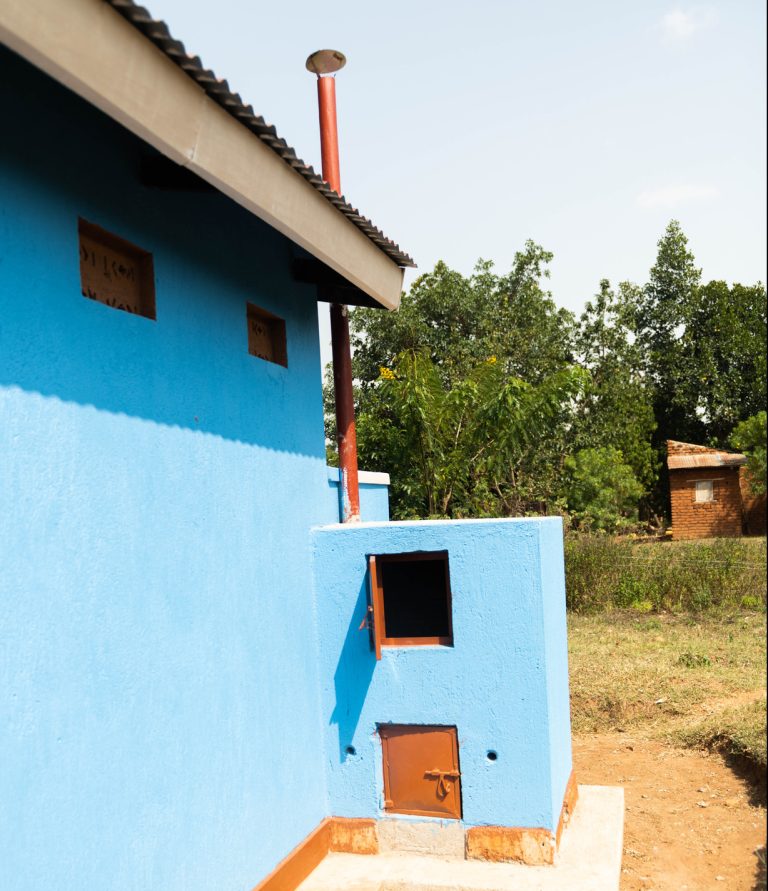
During our implementation, we trained girls to make reusable pads and taught them how to manage their periods so they feel confident and stay in school. We constructed a changing room where the girls have privacy and comfort during this time of school and also access painkillers easily; constructed a four-stance pit latrine with handwashing facilities for privacy and proper disposal of soiled sanitary pads, and a 10,000Ltr capacity tank to provide easy access to clean water for bathing and washing stained uniforms or clothes in case they are stained.
Both the pupils and teachers testify that girls have since started to attend school regularly and are more comfortable during the time of menstruation, and there is a reduction of water-borne diseases such as typhoid and diarrhoea.
We believe that improving menstrual health and tackling period-shame, we can improve girls’ attendance and performance at school; break down taboos and misconceptions around menstruation; raise girls’ self-esteem; and enable girls to fully participate in all aspects of society.
Accessing clean water means that these children here will have good health and proper growth. A clean environment allows children to study well and excel