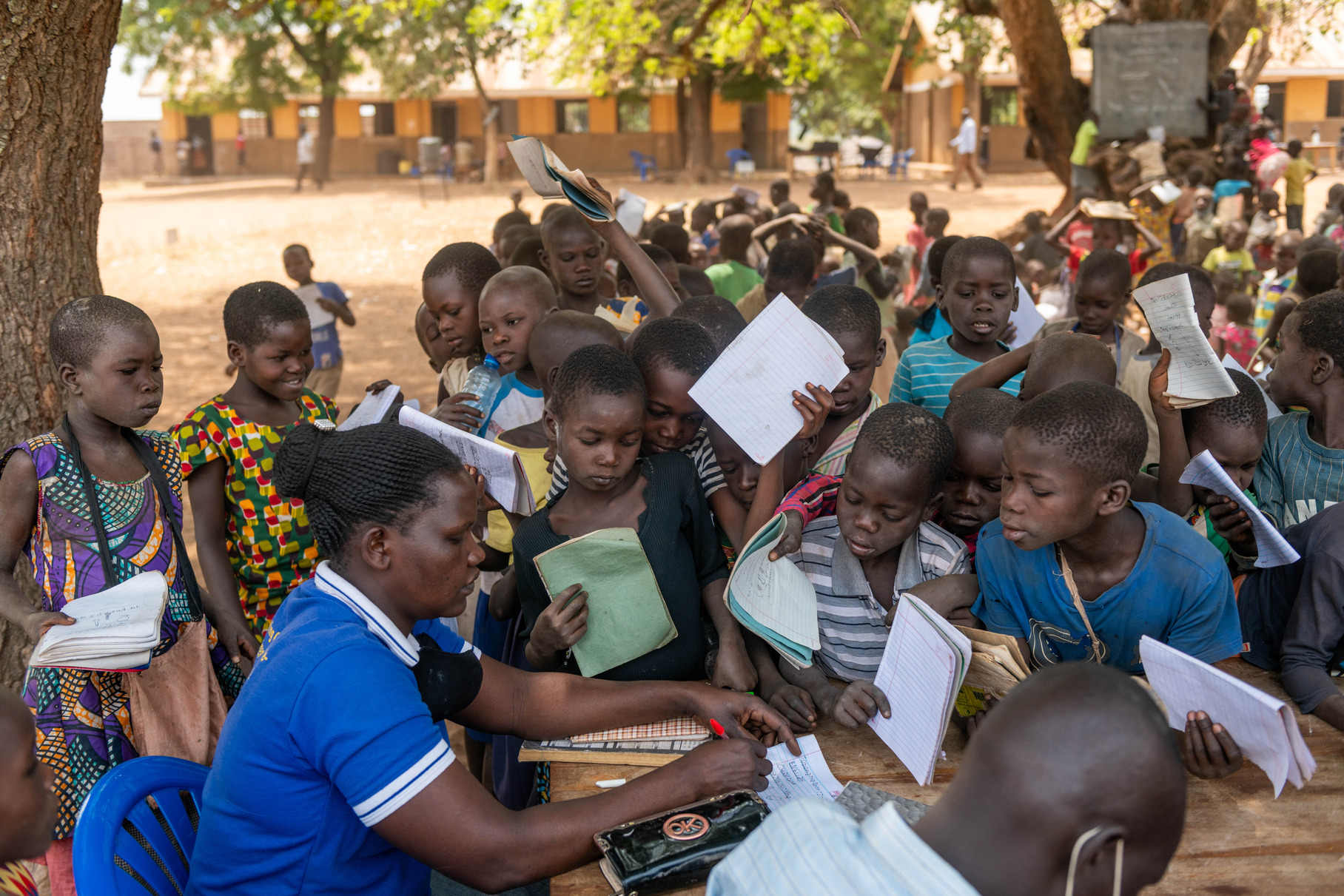
Ali Ragem Primary School is one of five government-aided primary schools in Ragem Sub-County, Pakwach District. It is situated approximately 20 kilometers along the Pakwach–Wadelai road, serving a significant proportion of the local community.
The school recorded a total enrolment of 1,558 learners in 2023, up from 1,456 in 2022 — an increase of 6.5%. This upward trend reflects growing community confidence in the school and the positive impact of recent interventions.
The number of teachers has also grown considerably, rising from 13 in 2022 (11 male, 1 female) to 16 in 2023 (13 male, 3 female). This improvement in staffing has contributed to better classroom coverage and learning outcomes.
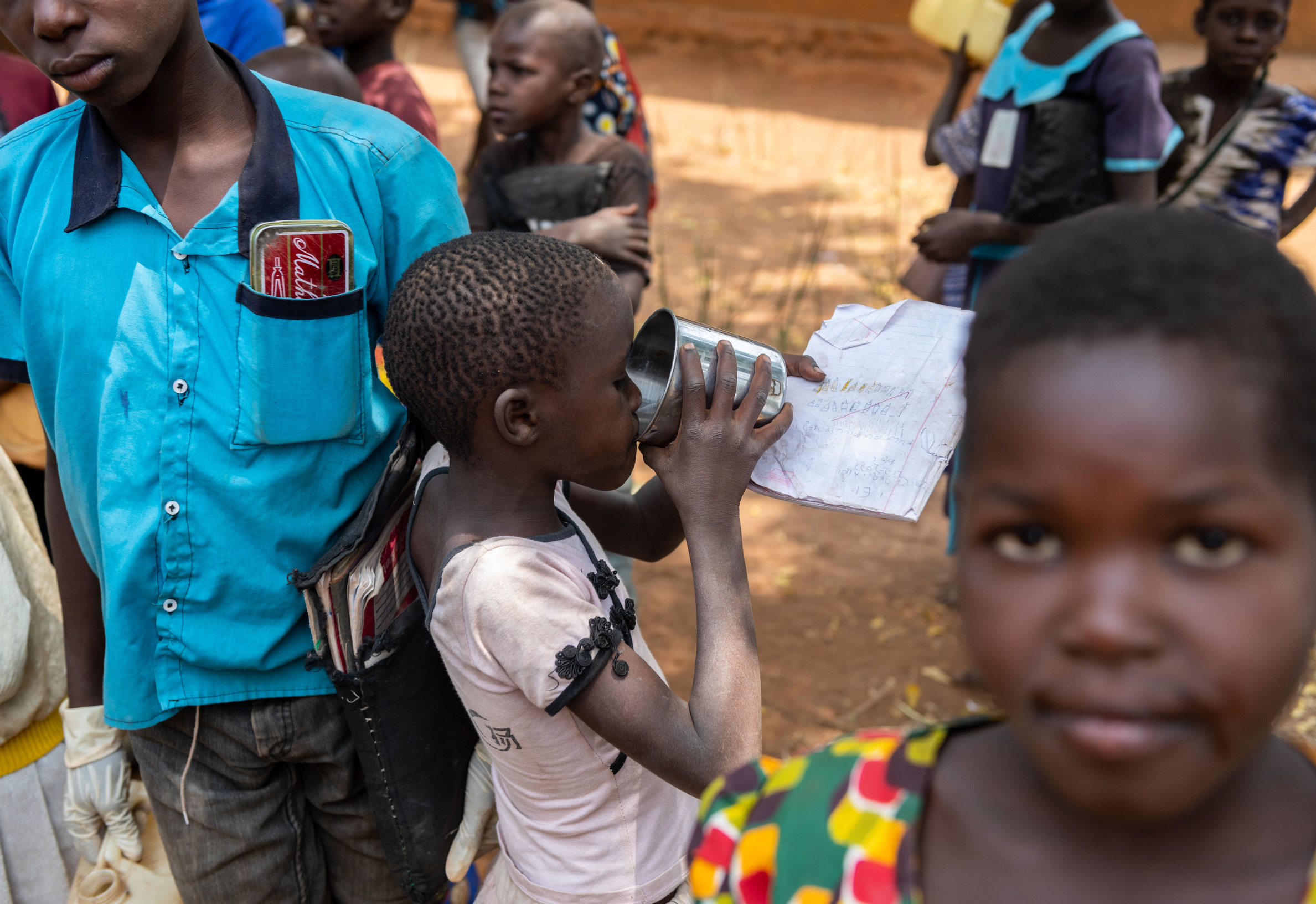
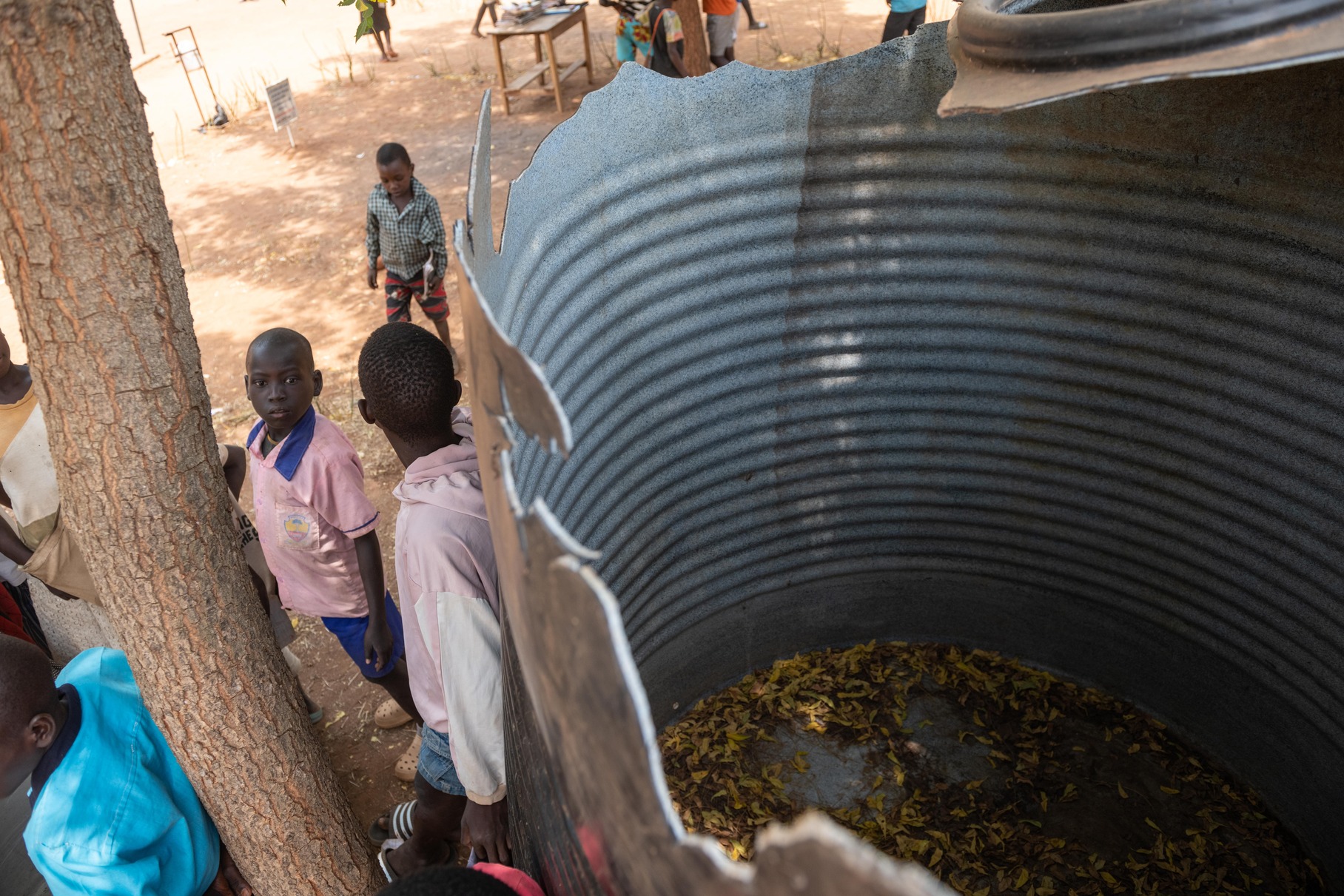
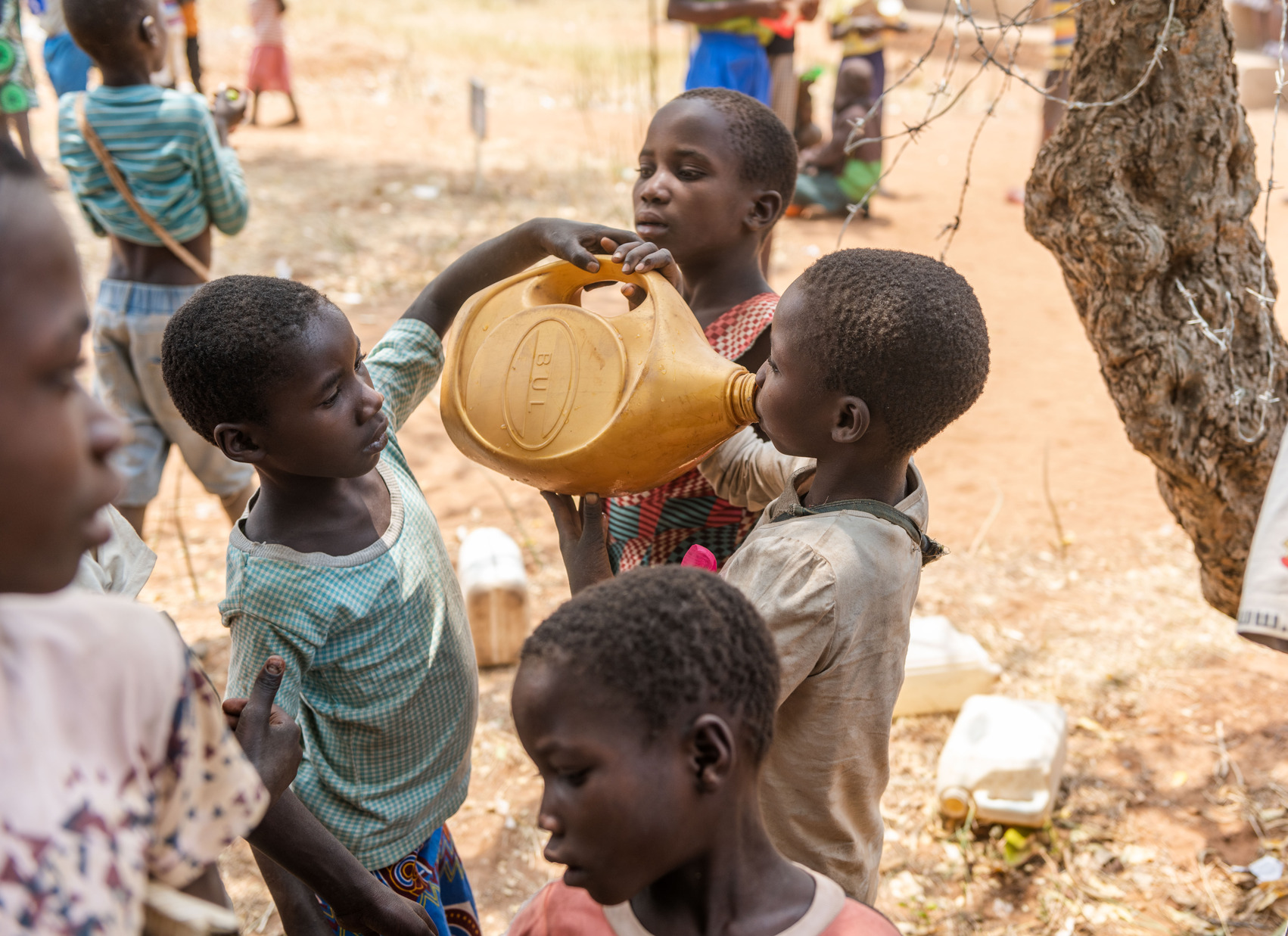
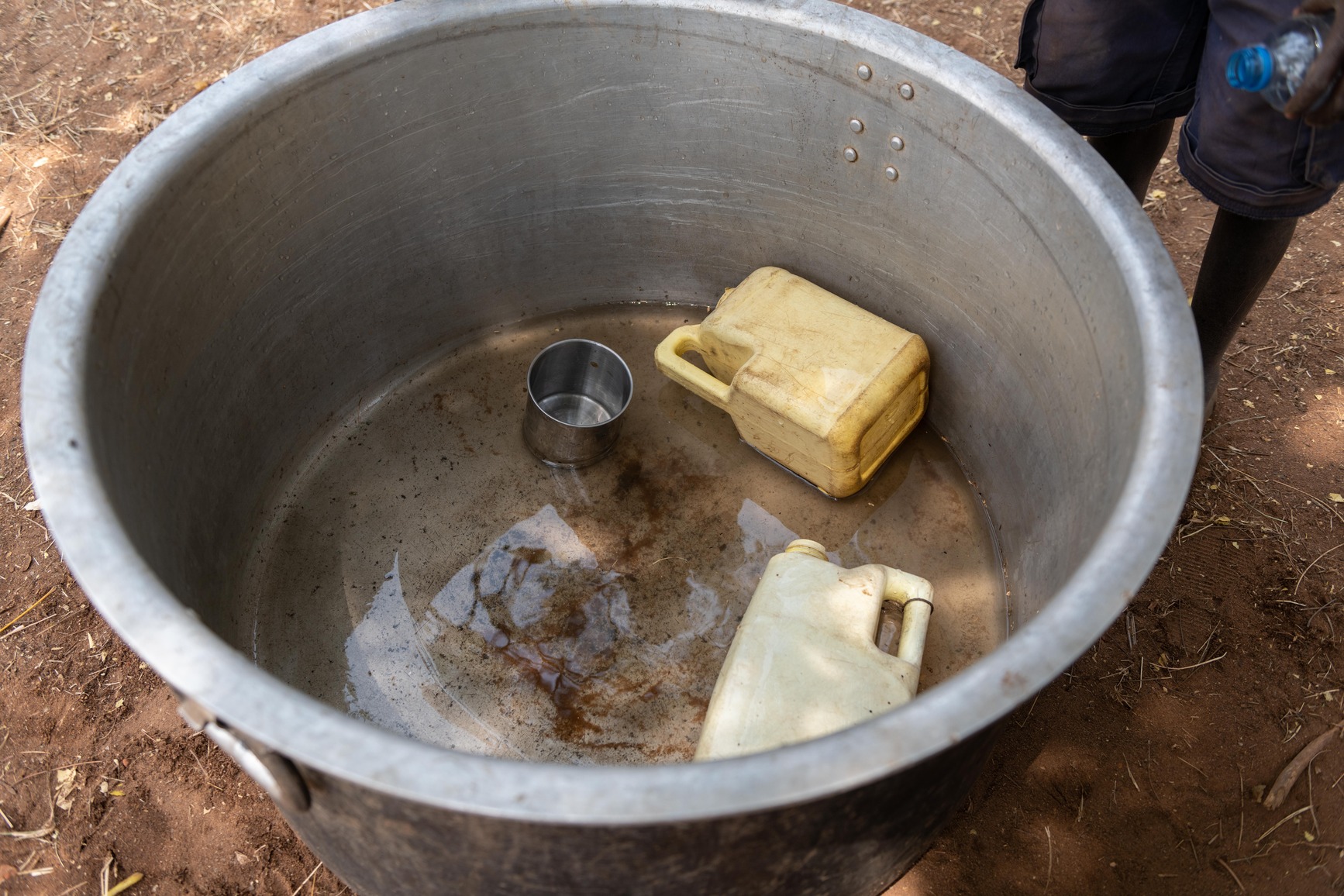
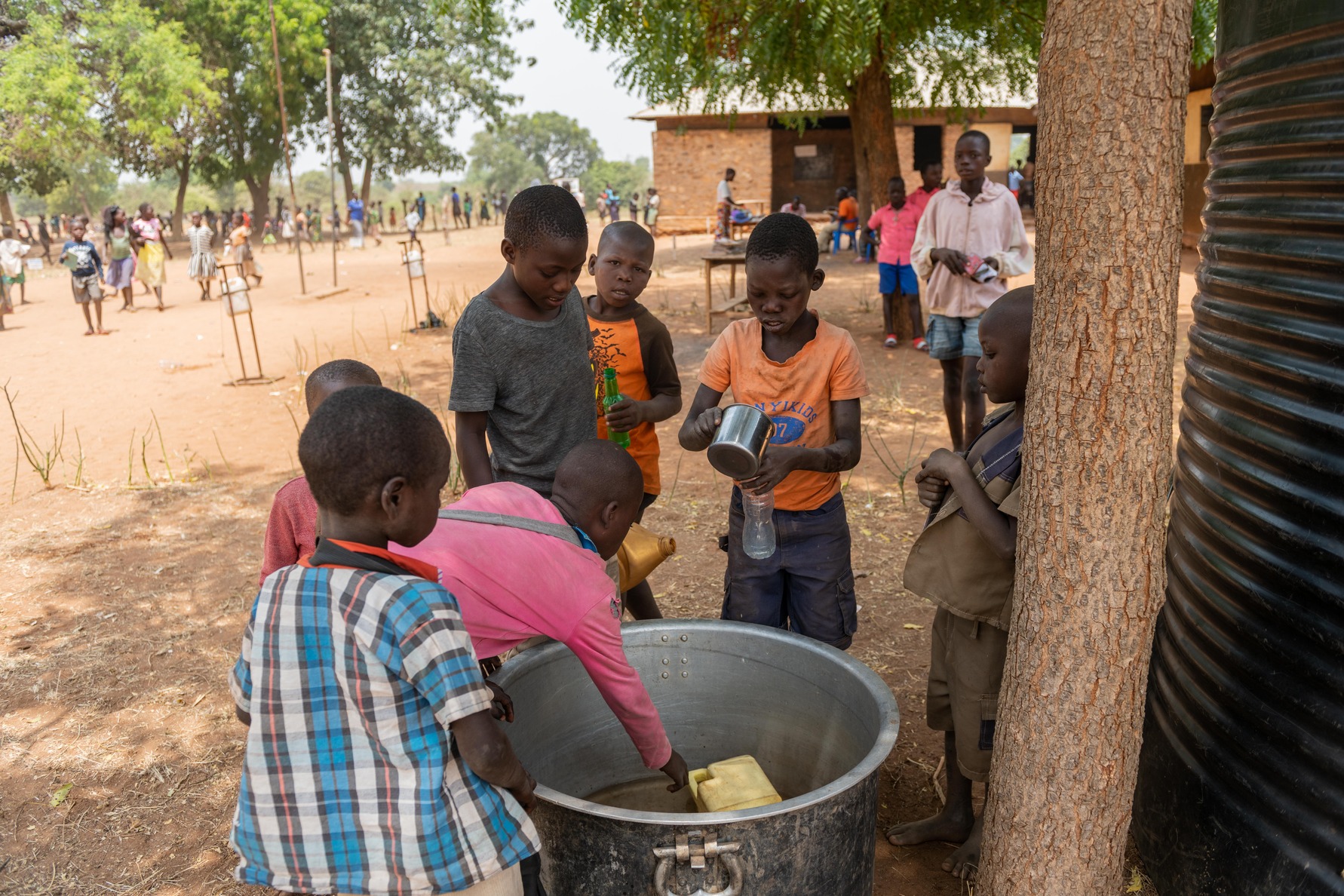
Before the construction of a yard water connection by Africa Water and Sanitation (AWS) in 2022, the school faced an acute shortage of safe drinking water. According to the headteacher, Mr. Olama Emmanuel, learners were compelled to trek more than two kilometres to the River Nile to fetch water — often from unsafe sources.
The consequences were severe. Water-borne diseases, including diarrhoea, typhoid, and intestinal worms, were widespread among both learners and teachers, leading to alarming rates of absenteeism and significant expenditure on medical treatment. Mr. Olama noted that between five and ten such cases were recorded every week.
Ragem Sub-County, Pakwach District
TOTAL ENROLMENT
1,558 in 2023
1,456 in 2022
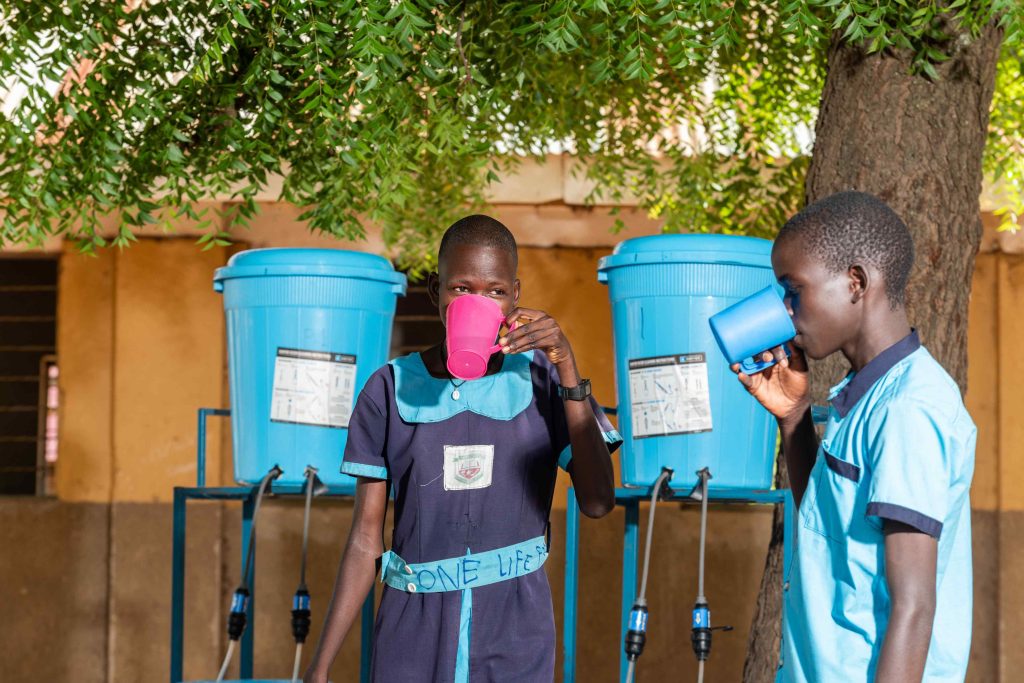
Since AWS installed a yard connection within the school compound and provided water filters for drinking water treatment, complaints about water-borne diseases have reduced dramatically. School attendance has improved correspondingly, resulting in better academic performance.
"
Ali Ragem Primary School has become the envy of many primary schools in Ragem Sub-County and Pakwach District as a whole. These interventions by AWS have increased learner enrolment, and we expect a steady increase this year and in subsequent years.
— Mr Olama Emmanuel, Headteacher
Sanitation and Hygiene
Latrine Facilities
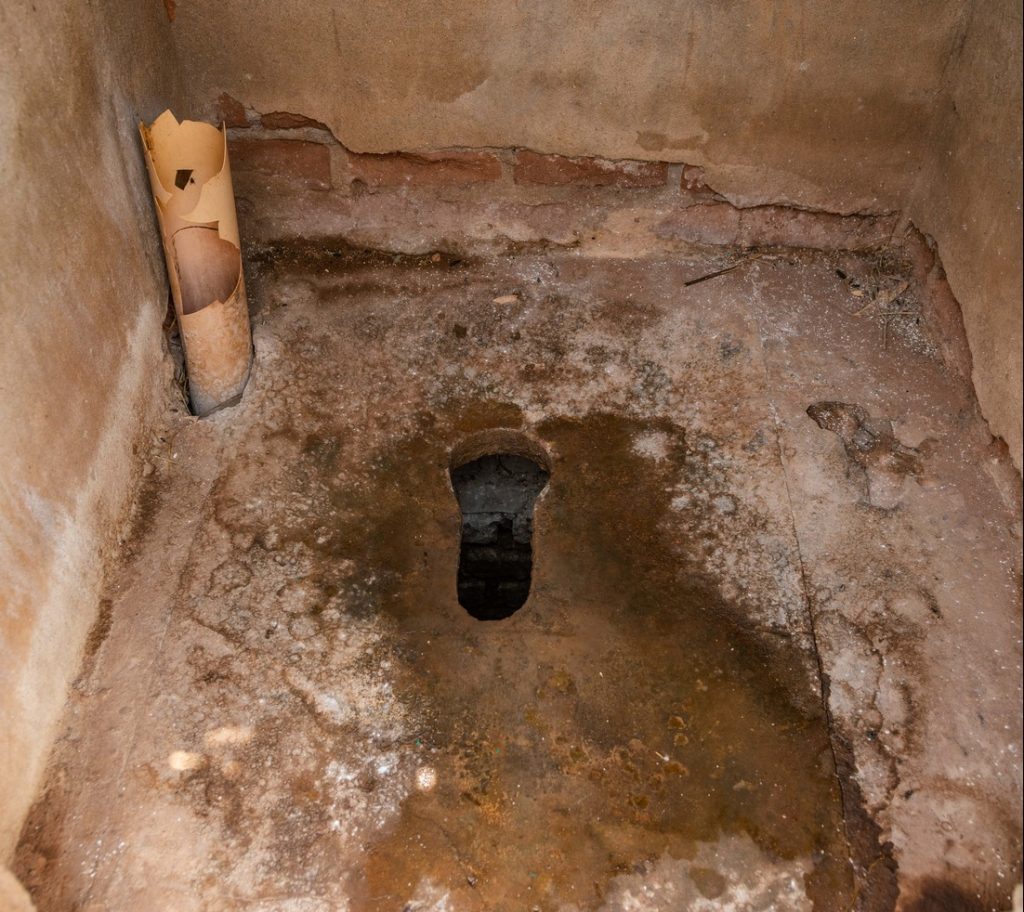
Before AWS’s intervention, maintaining cleanliness in and around the latrines was extremely difficult due to the absence of water. The facilities were often filthy and in poor condition. Pupils frequently avoided cleaning duties, and the headteacher noted that using latrine-washing as a deterrent for latecomers inadvertently led to learners staying home to avoid the punishment — worsening the dropout rate.
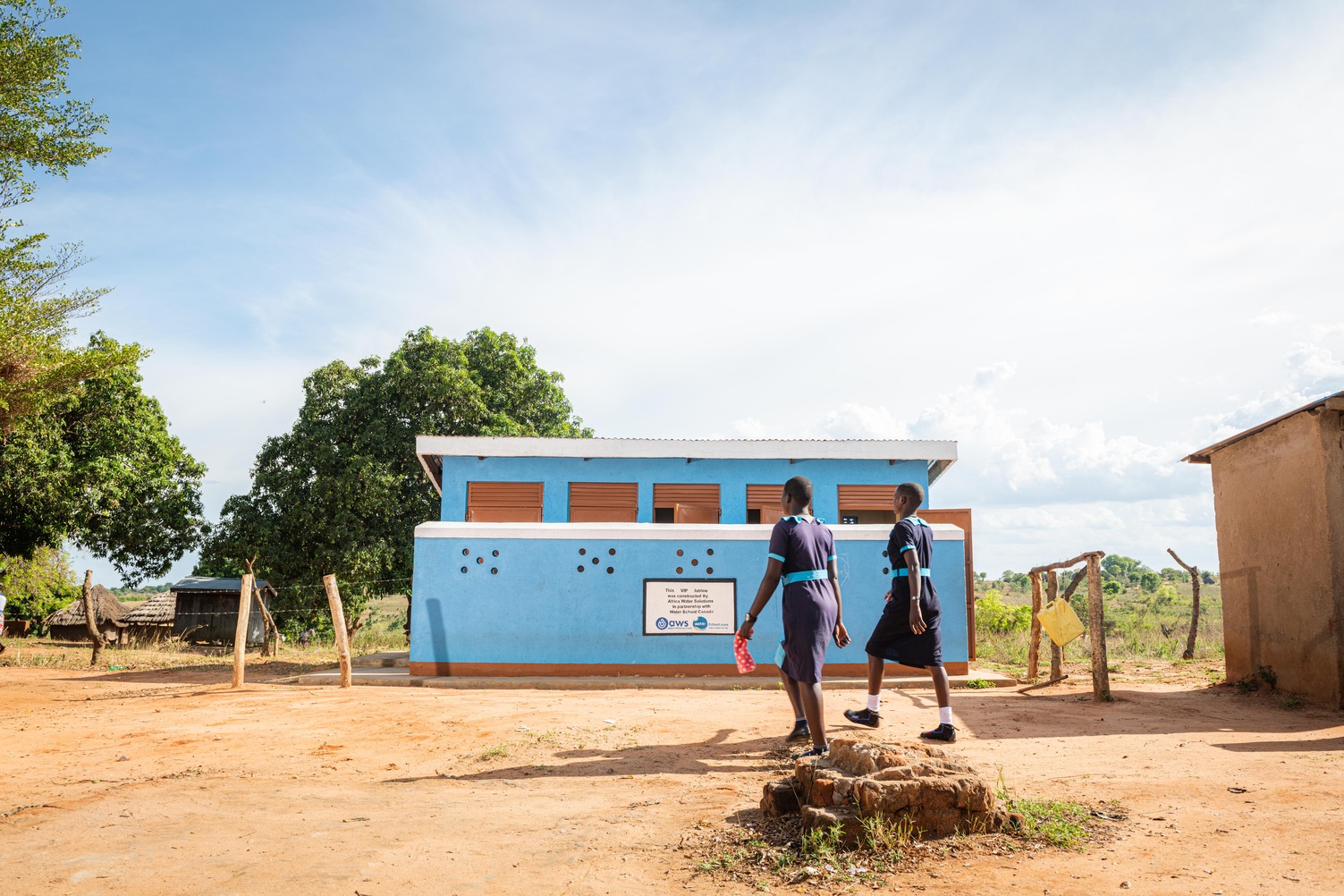
The ratio of latrine stances to learners improved significantly, from 1:155 in 2022 to 1:79 in 2023, reflecting meaningful progress in sanitation infrastructure.
2022
1 stance
155 students
2023
1 stance
79 students
Handwashing Facilities
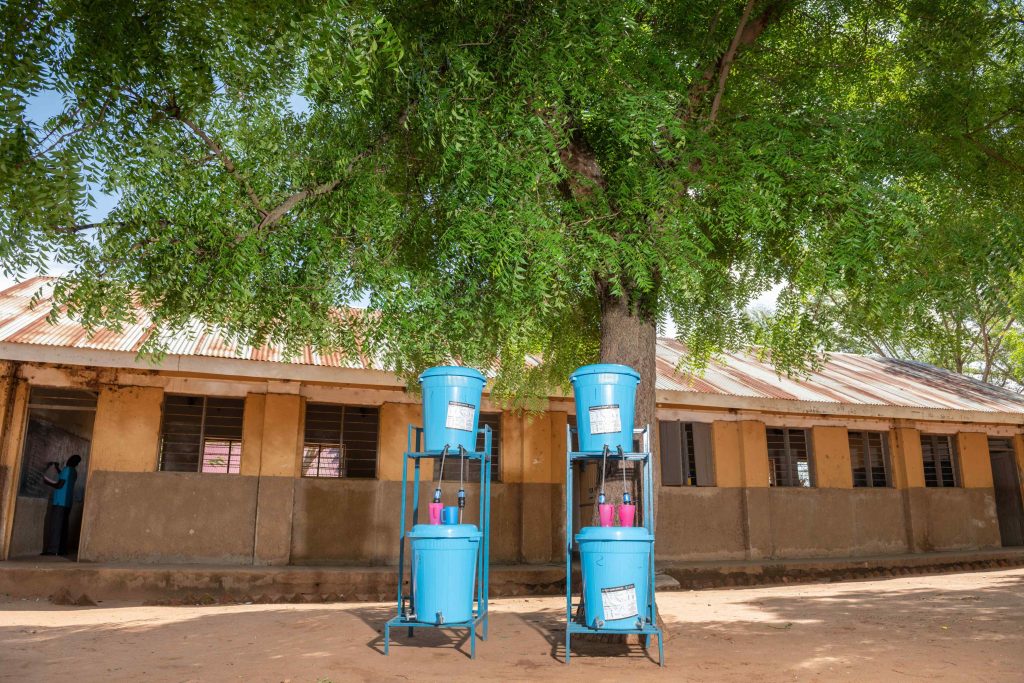
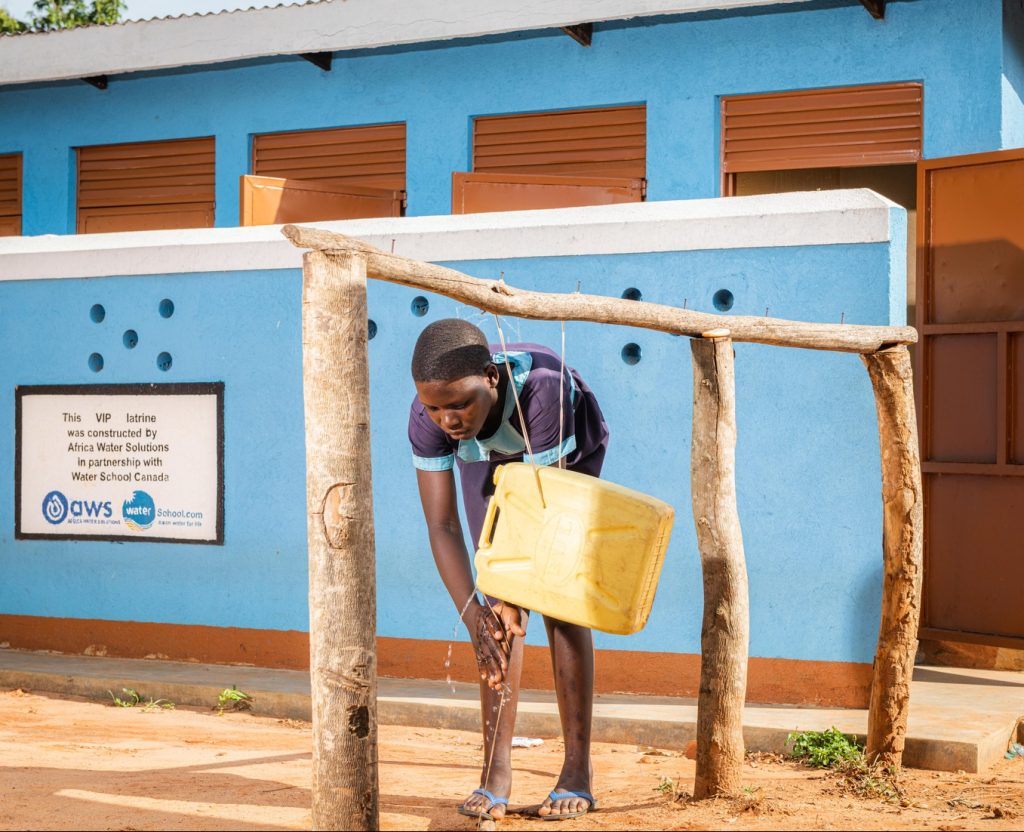
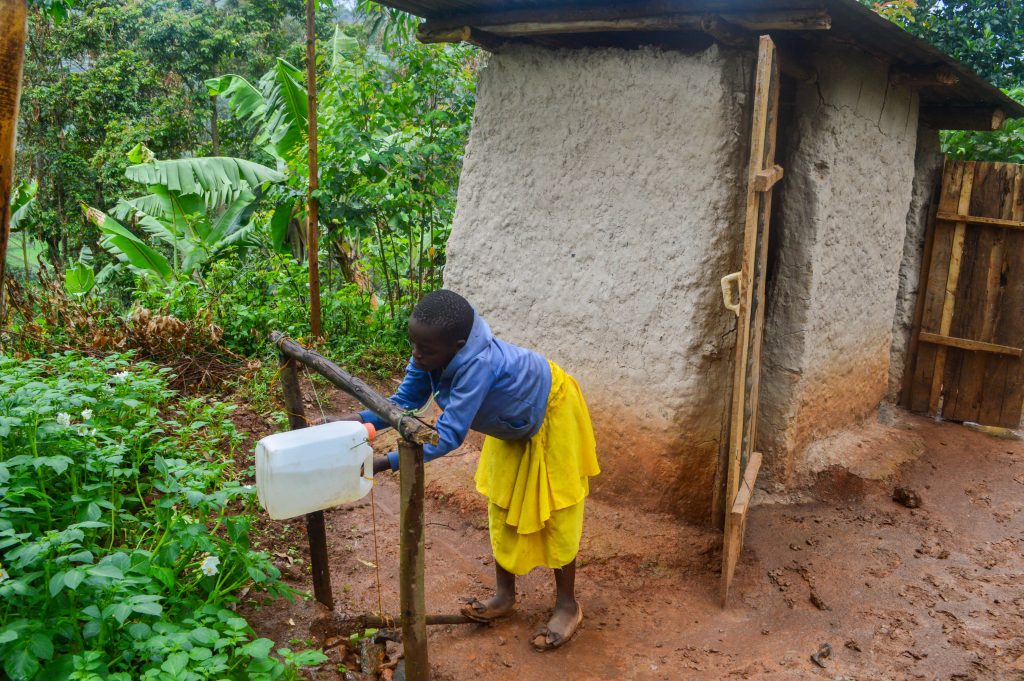
Handwashing was not a regular practice at the school before AWS’s involvement. With only two handwashing facilities — procured during the COVID-19 pandemic — and no reliable water supply, diarrhoea was rampant. Following AWS’s intervention, four additional handwashing facilities (HWFs) were installed. Learners are now routinely reminded to wash their hands at critical moments, contributing to improved hygiene practices.
Menstrual Hygiene Management
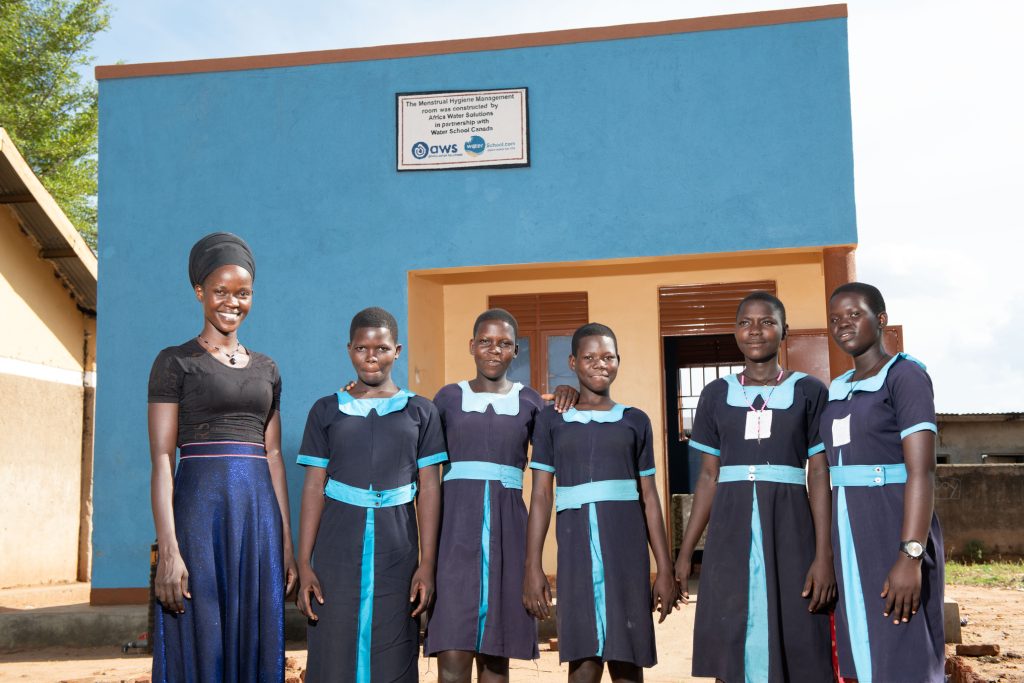
Before the construction of a dedicated MHM facility, the school had no private washroom or hygiene space for girls. This gap contributed significantly to high dropout rates among female learners, as well as reported cases of teenage pregnancy and early marriage.
With the support of AWS, a new MHM structure has been constructed, giving girls access to a decent and private facility. Girls have also received training in making reusable sanitary towels from locally available materials. A dedicated senior woman teacher provides regular guidance and counselling on menstrual health, further reducing absenteeism and dropout related to menstruation.
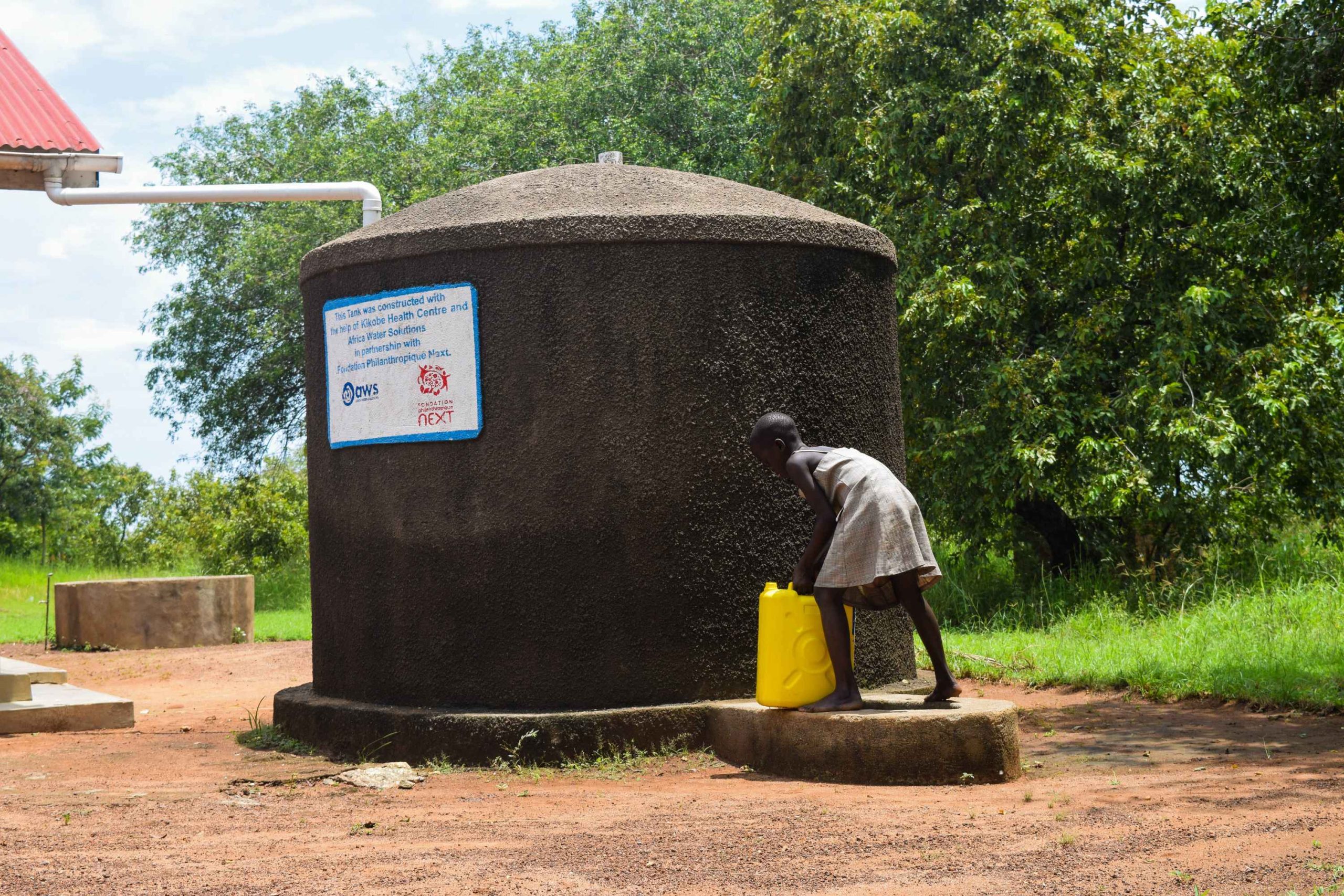
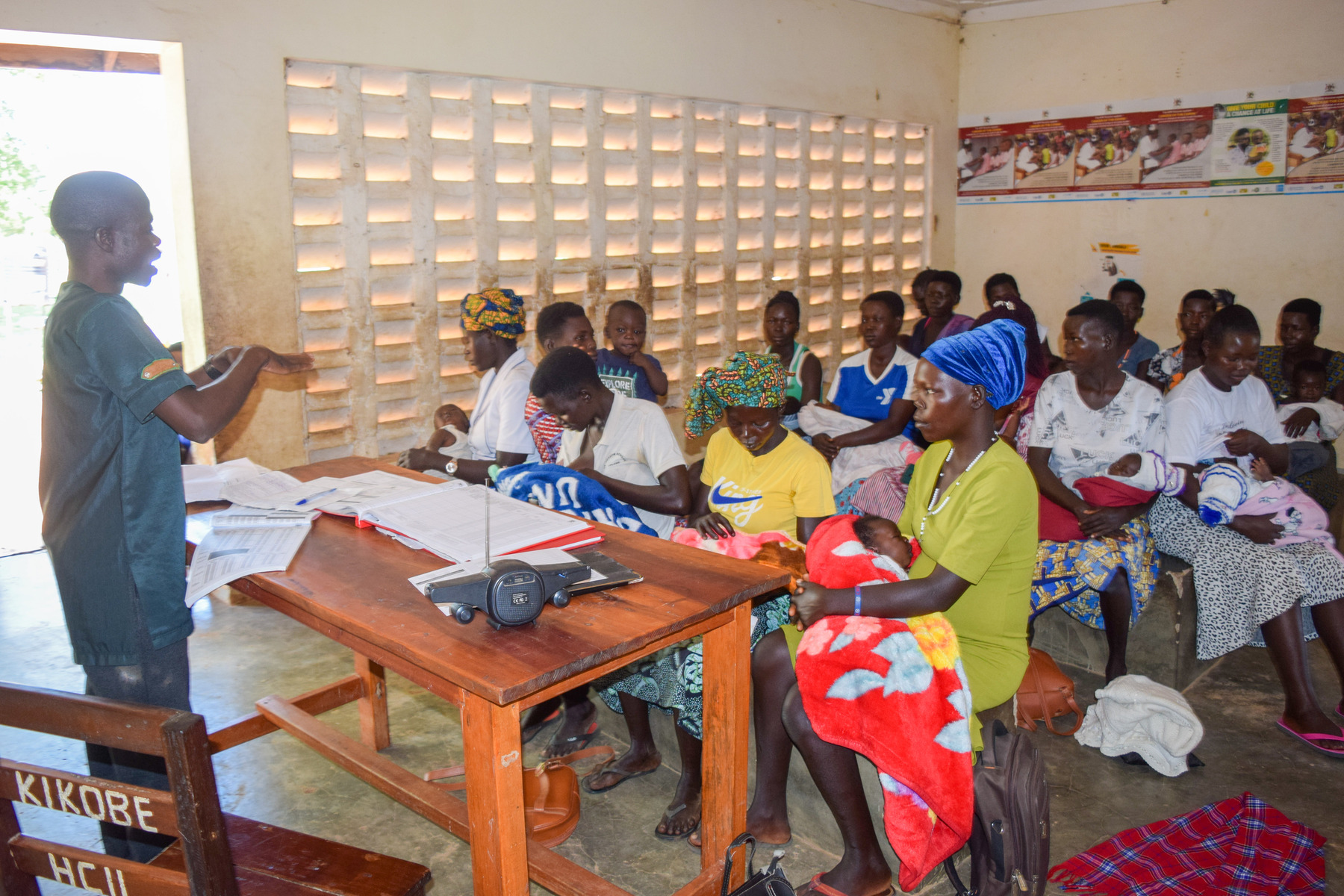
Kikobe HCII, located along the Kucwiny-Wadelai road, once struggled under the weight of water scarcity. Without clean and safe water, the risks were immense; pregnant women struggled to access Antenatal and postnatal services, as well as other healthcare services for their children, due to the long distance to the nearest Health Facility (approximately 12 km). As a result, most women resorted to home deliveries, either on their own or with the help of Traditional Birth Attendants who are ill-equipped, hence leading to a rise in cases of maternal and child mortality.
While to some, they considered it a punishment of some sort. Those who persisted often carried two jerricans of water weekly from Nebbi Town to Kikobe for their use, said the District Chairperson. These conditions made working at the facility a nightmare.
Located along Kucwiny-Wadelai road
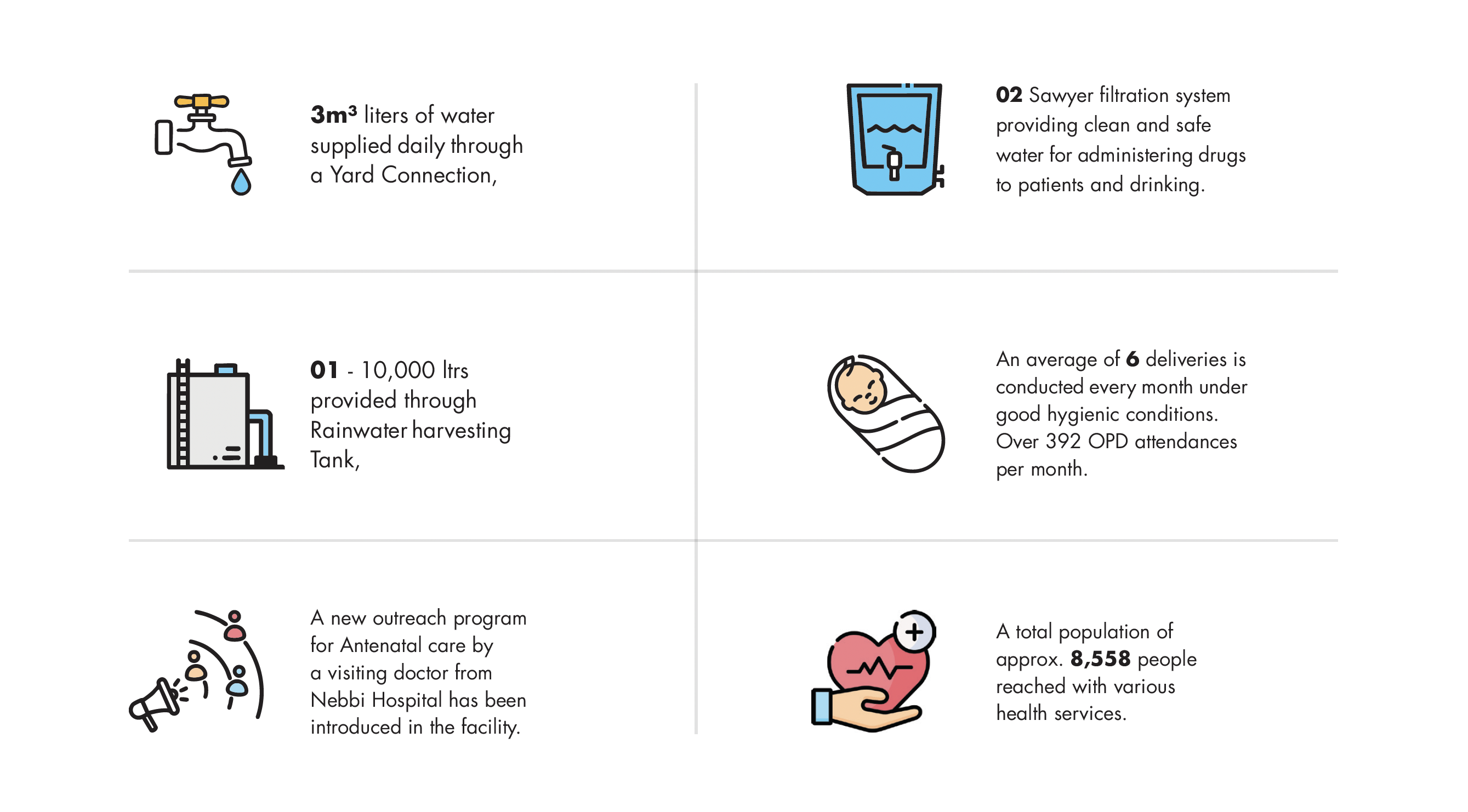
But in 2021, everything changed. With support from Africa Water Solutions (AWS), a sustainable water supply system was installed, ensuring a constant flow of water to the facility. Handwashing facilities were strategically placed for patients, and the fear of contracting infectious diseases was reduced among health workers, with many reporting feeling more confident and motivated as they can now perform their duties without fear of contamination. The overall quality of health care has improved; mothers delivering at the facility have expressed relief, knowing that their babies are born in a clean and safe environment.
This success story highlights how access to safe water is not just a basic need but a cornerstone of quality healthcare. By addressing this critical issue, AWS has not only improved health outcomes but also restored hope and dignity to a community in need.
Brian Ndyamuhaki is 33 years old, married to Akankunda Abia, and together, they have four children. He lives in Kabindi Village, Nyamiyaga Parish, Bubare Sub-county. Today, Brian’s home reflects order, dignity and healthy living. However, this was not always the case, before AWS’ intervention.
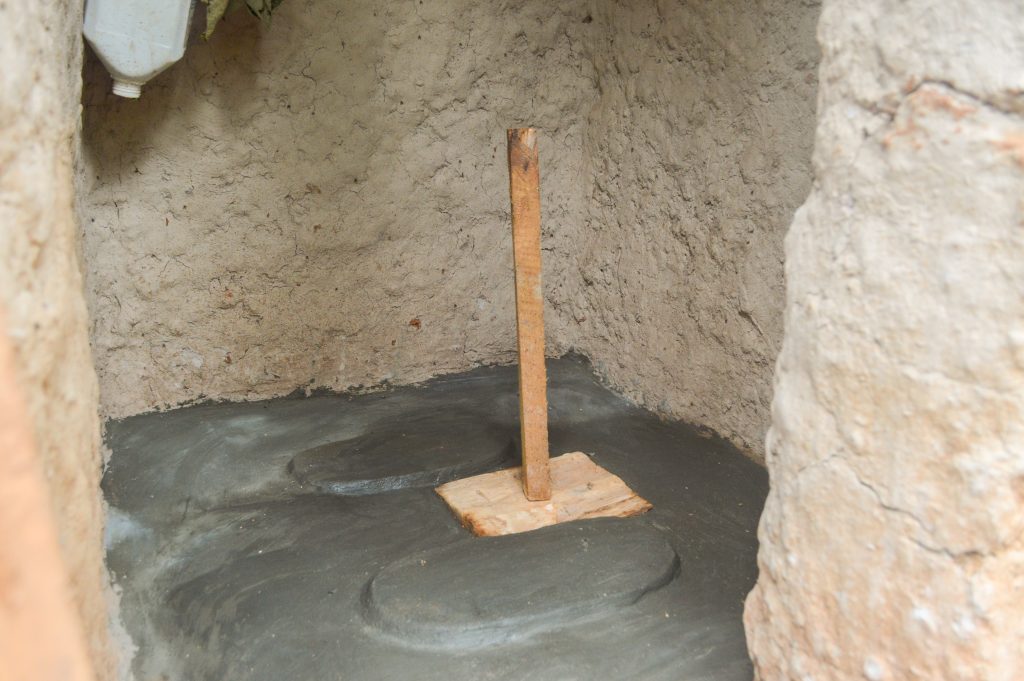
Before Africa Water Solutions engaged his community, Brian’s household had a very poor latrine. It was not mudded and was instead held together with banana fibres. The roof leaked, no squat hole cover, and no handwashing facility. The family had no bath shelter, and the general living environment around the home was disorganized and unsafe. Like many families, Brian had grown up used to these conditions without fully understanding the risks they posed to his health and that of his wife and children.
Everything changed when Brian attended a community triggering session organized by Africa Water Solutions. As sanitation and hygiene issues were openly discussed, Brian realized for the first time that the way his family was living was dangerous. He felt shocked and ashamed but that feeling quickly turned into determination. He returned home with a strong desire to change.
Brian demolished the old latrine and constructed a new one with two stances. He carefully mudded the structure, cemented the floor, installed a satopan in one stance, and fitted the other with a tight squat hole cover. He also built a proper bath shelter using iron sheets, ensuring full privacy for his family. These improvements brought immediate changes to the cleanliness, safety, and dignity of the household.
Brian did not make this journey alone. He shared what he had learned with his wife and daughter, helping them understand the importance of good sanitation and hygiene practices.
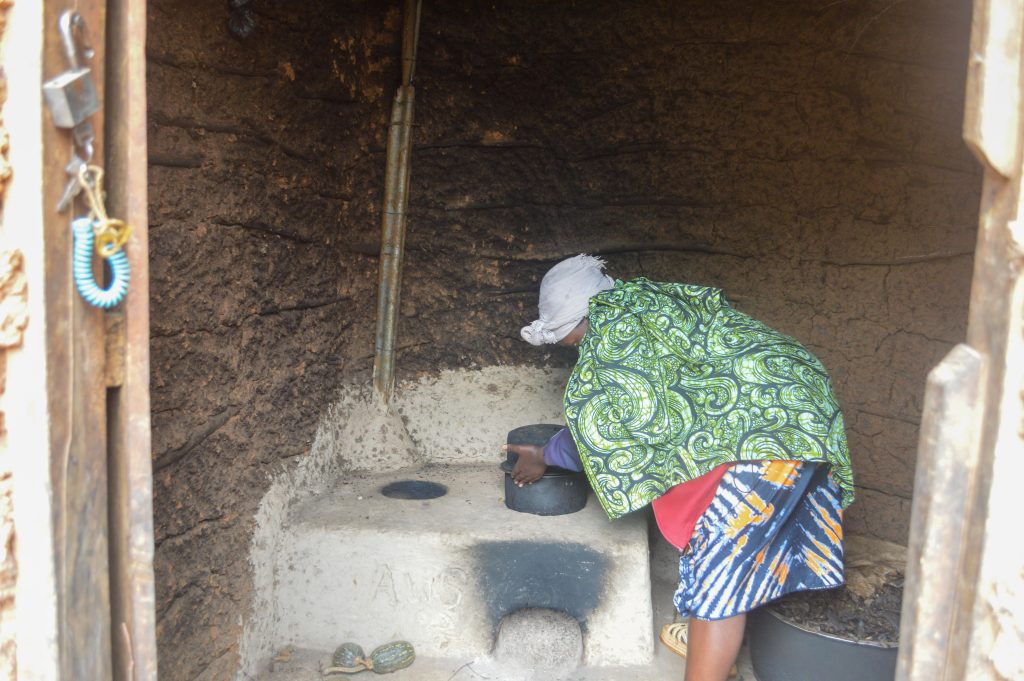
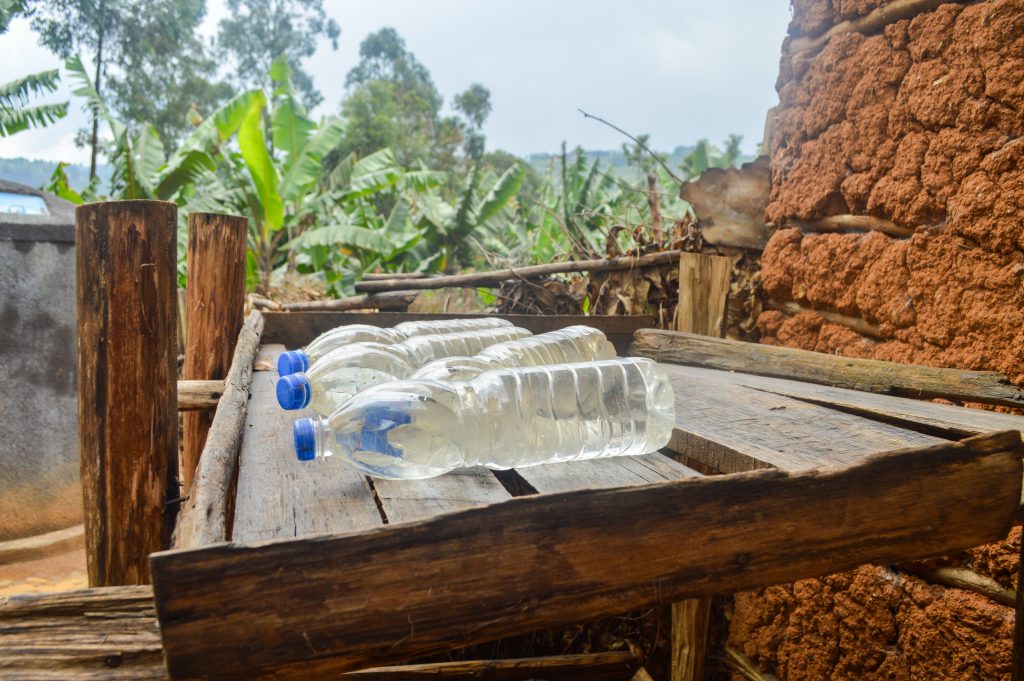
He constructed his own energy-saving cookstove, designing it with a unique chimney to reduce smoke in the kitchen. The family now treats their drinking water using SODIS, a change Brian’s wife describes as enjoyable, noting that the water has a clean and safe.
Through Africa Water Solutions, Brian also benefited from a rainwater harvesting tank. Having water readily available at home has improved the family’s daily life. He shares water from his tank with neighbours.
Brian committed to Africa Water Solutions, to serve as a community artisan.He has sofar helped many homes to improve their WASH practices.
Brian’s wife – Abia, speaks proudly of the transformation in their home. She appreciates Africa Water Solutions for the positive change and thanks her husband for attending the triggering session and putting what he learned into practice.